
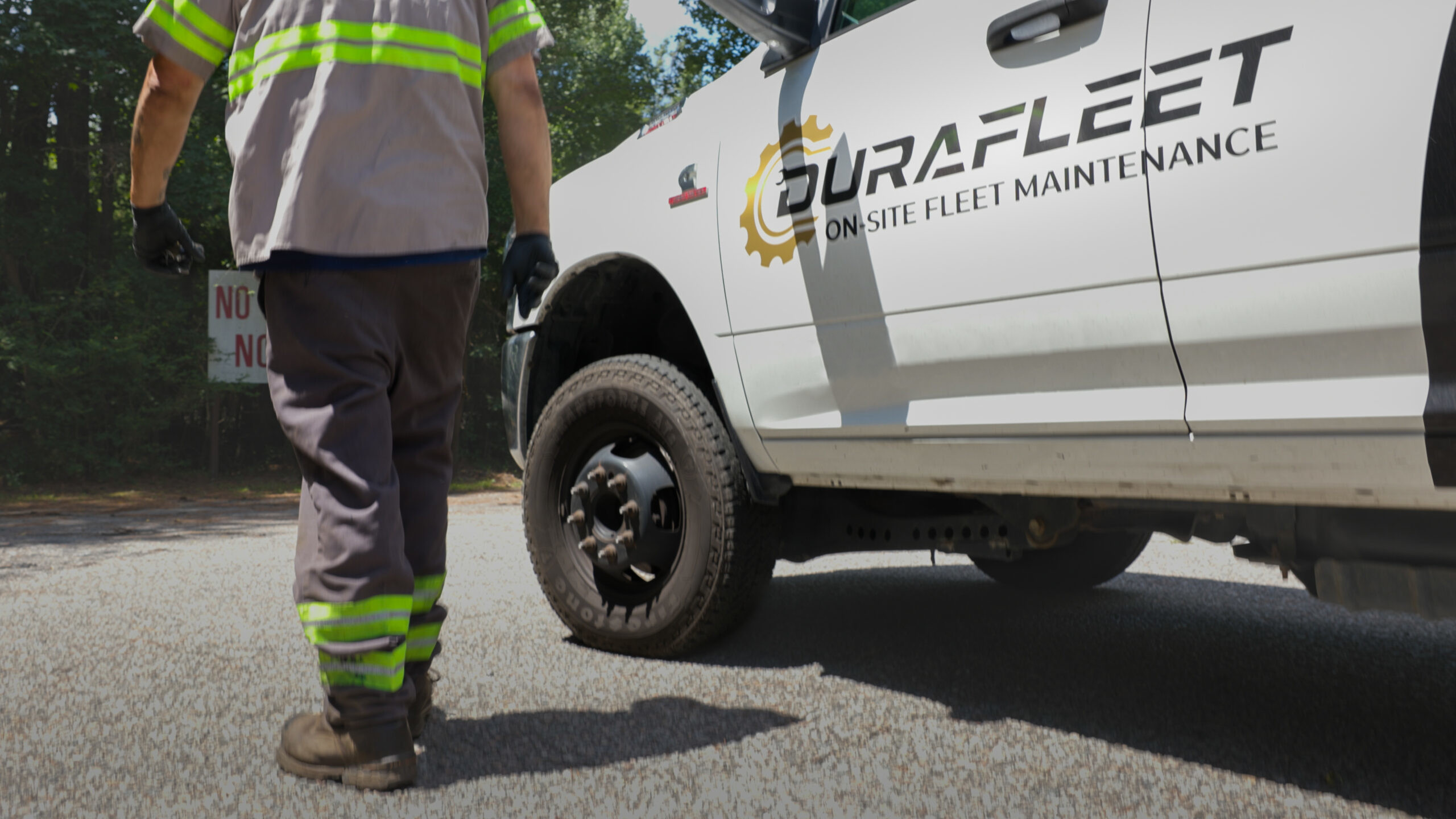
Hampton Roads fleets work hard. Trucks haul port-related freight, crews move between construction sites and delivery vans run regional routes from Norfolk to Suffolk. When those vehicles need service, the usual comparison is price: which provider will charge less for the job? For operators considering mobile fleet maintenance in Chesapeake, that question is a good start but an incomplete one. The quote covers the repair. It does not cover everything the business spends getting the vehicle repaired.
DuraFleet Chesapeake brings maintenance, inspections and repairs to facilities, yards, job sites and vehicle locations across Chesapeake and nearby communities. Below are five questions that give a fuller picture of what each service option really costs. Work through them with your own numbers before the next booking.
1. What Does the Job Cost, and What Does the Quote Leave Out?
Line up two quotes and the cheaper one jumps out. Parts, labor, diagnostics and any service fees belong in that comparison, and they deserve a transparent look. Mobile service may carry different labor rates or service fees, and a shop may be the better value for extensive work.
What does not show up is the driver who spent the morning taking a truck across town, the dispatcher who rebuilt three routes, or the manager who made several calls to find out whether the job was done. Those costs are real even though no one bills for them. The next four questions are about finding them.
2. Who Moves the Vehicle, and What Does That Add Up To?
Every shop visit needs a trip out and a trip back, and each one uses paid hours, fuel and mileage. Here is an illustration using hypothetical numbers. It is not a quote, a benchmark or a real customer.
Say a fleet runs 75 vehicles. Each needs 3 shop visits a year. Getting a vehicle to the shop and back takes 1.5 employee-hours, and the fully burdened labor cost is $34 per hour.
75 × 3 × 1.5 × $34 = $11,475 per year
That is only the wages tied to moving vehicles, with no fuel, mileage or lost work included. Whether your fleet runs along I-64, I-464 or I-664, the same math applies with your own figures. When eligible work happens where the vehicle already is, a large share of that cost can go away. For a larger fleet, even a small reduction in shop trips per vehicle multiplies quickly across every unit.
3. How Long Is the Vehicle Gone From Start to Finish?
A repair needing two hours of labor can keep a vehicle unavailable much longer once travel, waiting for a bay, approvals and pickup are added. Mobile service can shorten that span and make it easier to schedule work during low-use periods. It will not eliminate downtime: the vehicle still has to be set aside, and some work takes longer or needs a facility. Track the full stretch the vehicle is unavailable, not the labor hours on the invoice.
4. How Much Staff Time Does Each Visit Pull In?
Scheduling, driver assignments, repair approvals, status tracking and completion checks all use staff time. A provider who plans around your schedule and communicates clearly can reduce that load. Poor coordination, whether from a shop or a mobile provider, makes it heavier. Dependability and accountability count for more than location.
A few follow-up questions help reveal how heavy that load will be with any provider:
- How will you schedule around our dispatch windows and crew assignments?
- How will we hear about findings, approvals and completion?
- What documentation will we receive after the work is done?
The answers say as much about coordination cost as any price sheet.
5. Can This Job Be Done Right Where the Vehicle Sits?
Convenience is never worth a bad repair. Many preventative maintenance tasks, DOT inspections, diagnostics and eligible repairs fit mobile service well. Other jobs need specialized equipment, a controlled environment or several technicians, and those belong in a shop.
Attempting unsuitable work on site can increase costs, delay completion or compromise quality. Traditional repair facilities remain an essential part of fleet care. Ask any mobile provider which of your recurring jobs it can handle at your location and which need a facility. When a job turns out to need a shop, a good mobile partner will say so plainly and explain what happens next.
Pricing Mobile Fleet Maintenance in Chesapeake Honestly
Bring the five answers together:
Total operational maintenance cost = direct service cost + transportation cost + coordination cost + added operational disruption
Fill in each piece using your actual operation. Watch for double-counting: wages already counted under transportation should not be counted again as lost productivity unless there is a separate, measurable consequence. The formula will not always favor mobile service. It is designed to support a better decision, whatever that turns out to be.
Serving Chesapeake and Hampton Roads
DuraFleet Chesapeake works with fleets in Chesapeake, Norfolk, Virginia Beach, Portsmouth and Suffolk, subject to scheduling, location and service requirements. Demanding schedules and coastal operating conditions make planned, well-documented maintenance especially useful here. Check coverage for your location on our Chesapeake location page.
Our purpose is to Make Control Easier: helping you see how maintenance affects the whole operation, not just one transaction. Anywhere Fleet Maintenance. Handled.
Find Out What Can Be Done On Site
Tell our Chesapeake team about your fleet, where it operates and what it needs. We will help you identify which services may be handled more efficiently at your location. Request service from DuraFleet Chesapeake.