Fleets across the Charleston tri-county area keep freight moving, crews on job sites and customers served from Summerville to Mount Pleasant. When one of those vehicles needs service, most comparisons start and stop at the quoted price. That is understandable, but it can mislead. If you are evaluating mobile fleet maintenance in Charleston against a traditional shop, the number that matters is the full operational cost: what the business spends in time, transport and disruption, plus the invoice itself.
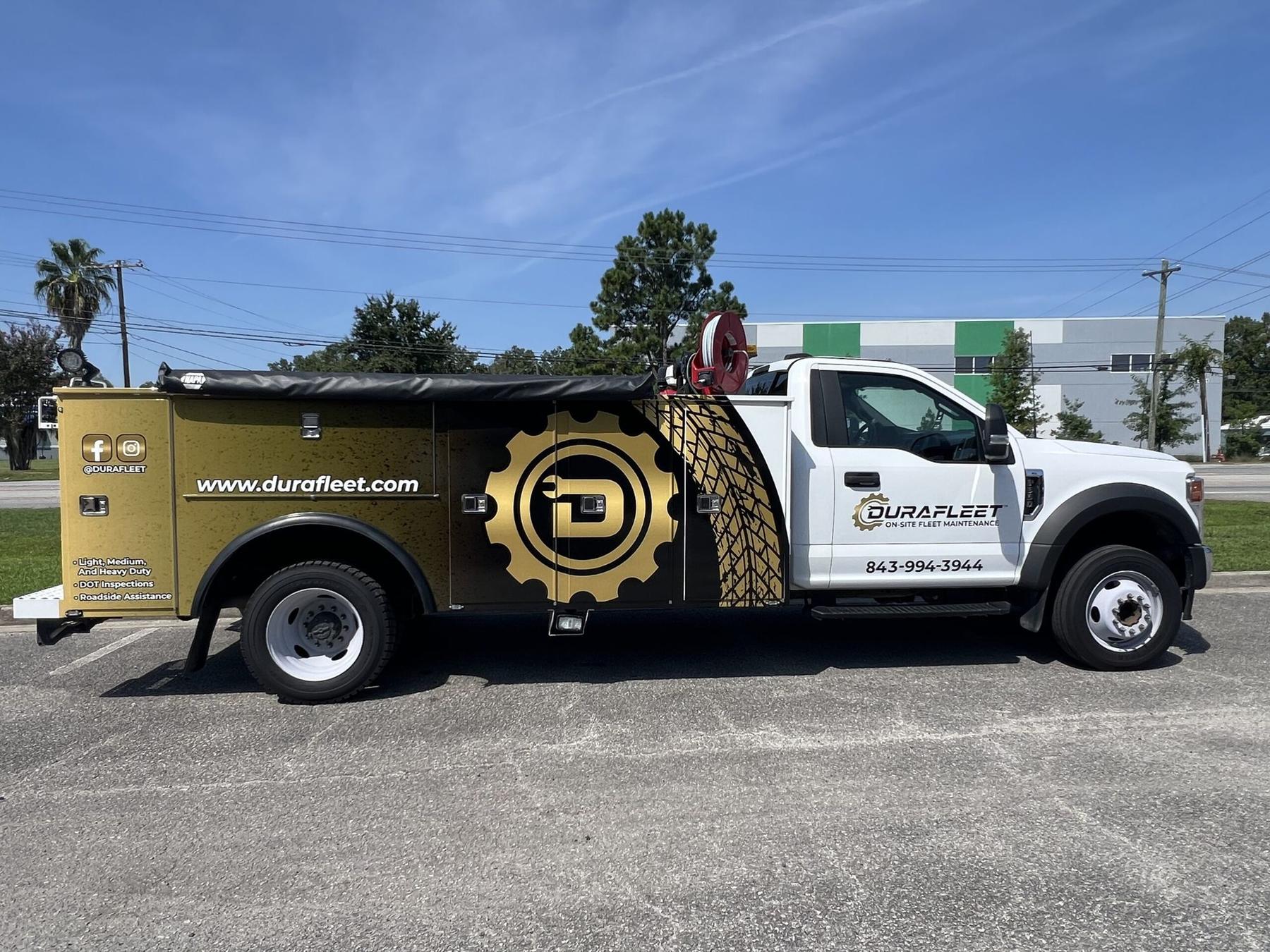
DuraFleet Charleston brings maintenance and repair to yards, facilities and job sites in Charleston, Berkeley and Dorchester Counties. A shop and a mobile technician might quote similar work at different prices, but one requires the vehicle to travel and the other does not. One might hold a truck for a day; the other might finish during a planned pause in its schedule. These five questions bring that difference into view.
Question 1: How Do the Direct Charges Compare?
Direct costs (parts, labor, diagnostics and any service fees) belong in the comparison. Mobile service may use a different pricing structure, and facility work may be the better value for big jobs. Look at those differences openly, and ask exactly what each quote includes, since one that leaves out follow-up visits can look cheaper than it is. Just do not treat the lowest quote as the lowest total.
Question 2: How Far Will the Vehicle Travel, and Who Will Drive It?
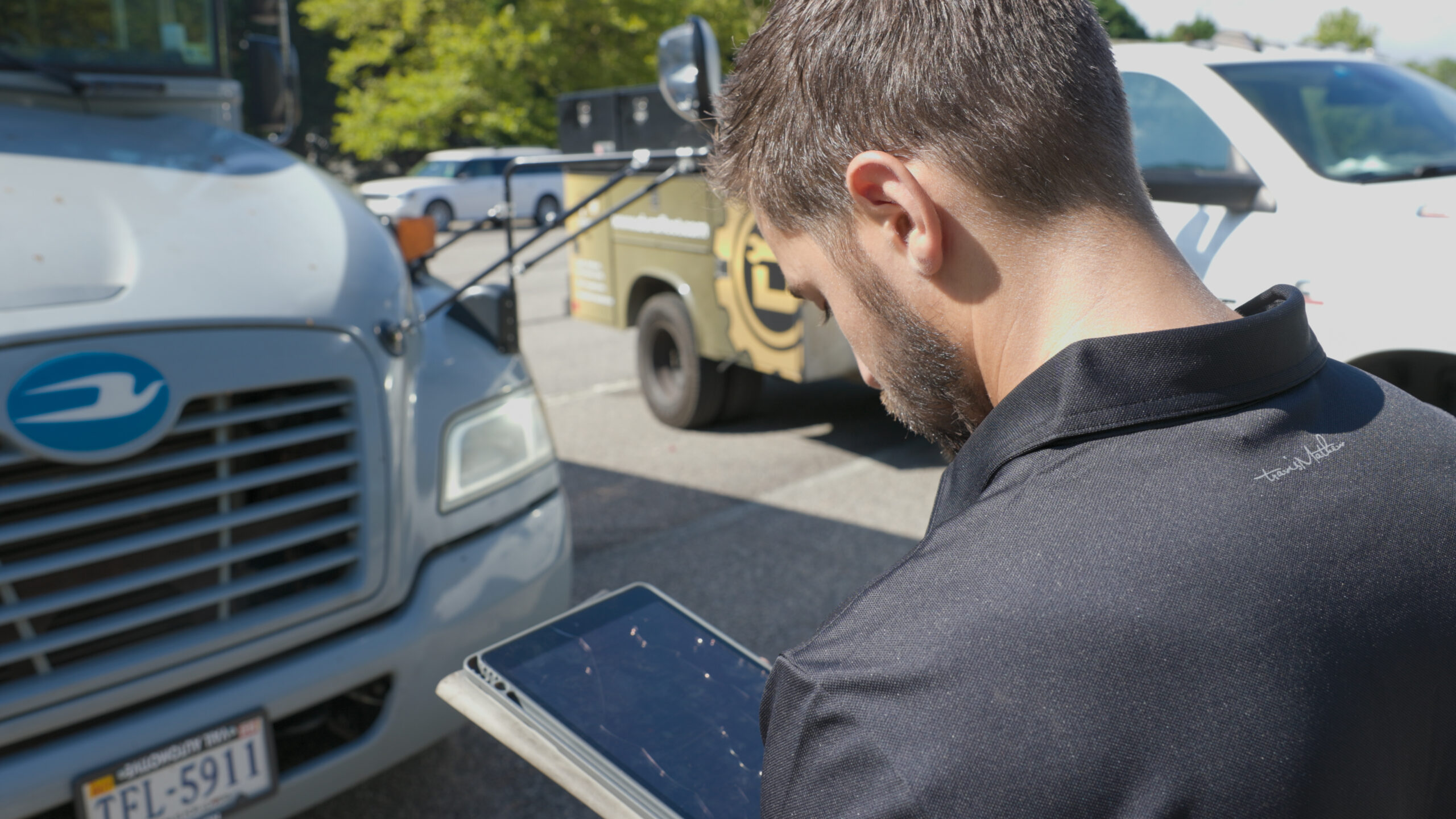
Shop service needs a driver out and a driver back, sometimes two people and two vehicles. On routes that run along I-26 or I-526, or between North Charleston and Moncks Corner, that can eat into a workday.
A hypothetical example helps. Imagine a fleet of 60 vehicles, each needing 3 shop visits per year, with 2 employee-hours spent delivering and retrieving each vehicle at a fully burdened cost of $36 per hour:
60 × 3 × 2 × $36 = $12,960 per year
That is labor only, before fuel, mileage or any other consequence. These figures are invented for illustration. Your own numbers may be higher or lower, but the exercise shows that transport deserves a place in the comparison.
Question 3: How Long Will the Vehicle Realistically Be Unavailable?
Technician hours are not the same as downtime. Add the drive, the wait for a bay, the approval call and the return trip, and a short job can sideline a vehicle much longer. Mobile service can tighten that window for suitable work, and it can be scheduled around dispatch. It still requires the vehicle to be available, and some jobs will take as long as they take.
Missed deliveries or idle crews may carry a real cost as well. When a vehicle is gone longer than planned, someone may have to reshuffle loads or send a crew home early. Count that cost only where it is separate and measurable, and avoid double-counting wages you have already included under transportation.
Question 4: Who Coordinates the Appointment and the Pickup?
Scheduling, driver assignments, repair approvals, status checks and confirmation calls all consume staff time. A service partner who communicates clearly lightens that load. A poorly organized one, shop or mobile, adds to it. What you want is a dependable process with clear accountability.
Question 5: Does the Job Need a Lift, an Enclosed Bay or Several Technicians?
Both models earn their place. Shops offer lifts, enclosed bays, specialized tools and the capacity for large repairs. Mobile service offers access, because eligible work comes to the vehicle. The goal is to choose well for each job, not to pick a side.
Coastal moisture, summer heat and stop-and-go routes put steady demands on vehicles around Charleston, which makes routine attention especially valuable. Many preventative maintenance tasks, inspections and eligible repairs fit on-site service well, and our diesel truck maintenance and repair can often come to the vehicle. Work that needs a controlled environment or specialized equipment belongs in a shop. Forcing it into a yard on Johns Island or Daniel Island can raise costs or compromise quality.
If the answer to this question is yes, a shop is likely the better fit. If it is no, and the earlier answers point to long trips and lost hours, ask whether the work could be done at the yard during a planned gap in the schedule.
Putting a Formula to Mobile Fleet Maintenance in Charleston
Total operational maintenance cost = direct service cost + transportation cost + coordination cost + added operational disruption
Estimate each part with your real operation in mind, using your answers to the five questions. The result will not always favor mobile service, and that is fine. The formula exists to support a better decision, not a predetermined one.
Making Control Easier Across the Tri-County Area
Our purpose is to Make Control Easier: helping fleet managers see how maintenance affects the whole operation, not just one transaction. Coverage at any address depends on scheduling, vehicle needs and safe access, so check our Charleston location page or ask the local team. Anywhere Fleet Maintenance. Handled.
Talk With DuraFleet Charleston
Curious which services could happen at your yard instead of a shop? Tell us about your fleet, your schedule and where vehicles are based. Request service from our Charleston team.