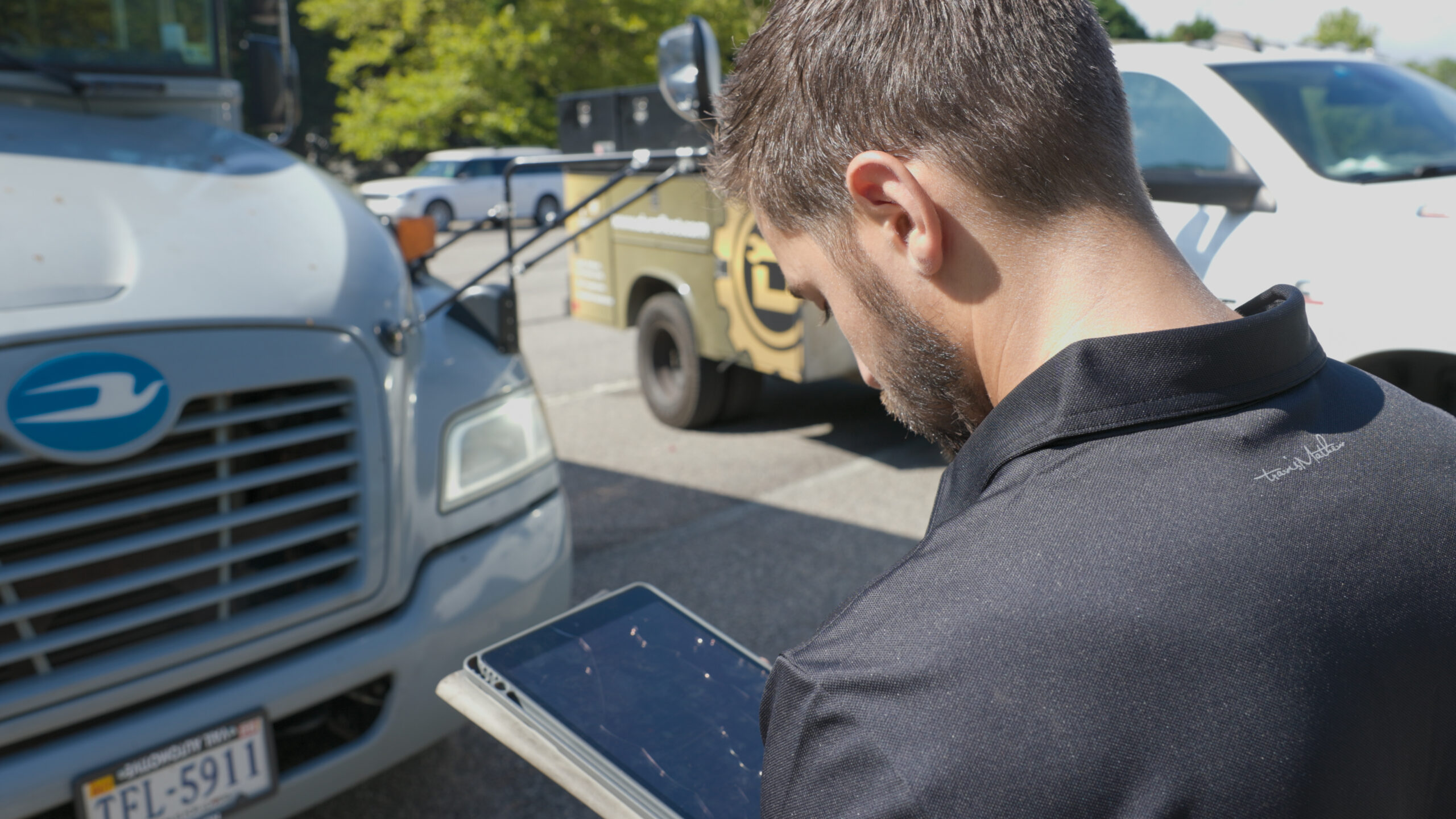
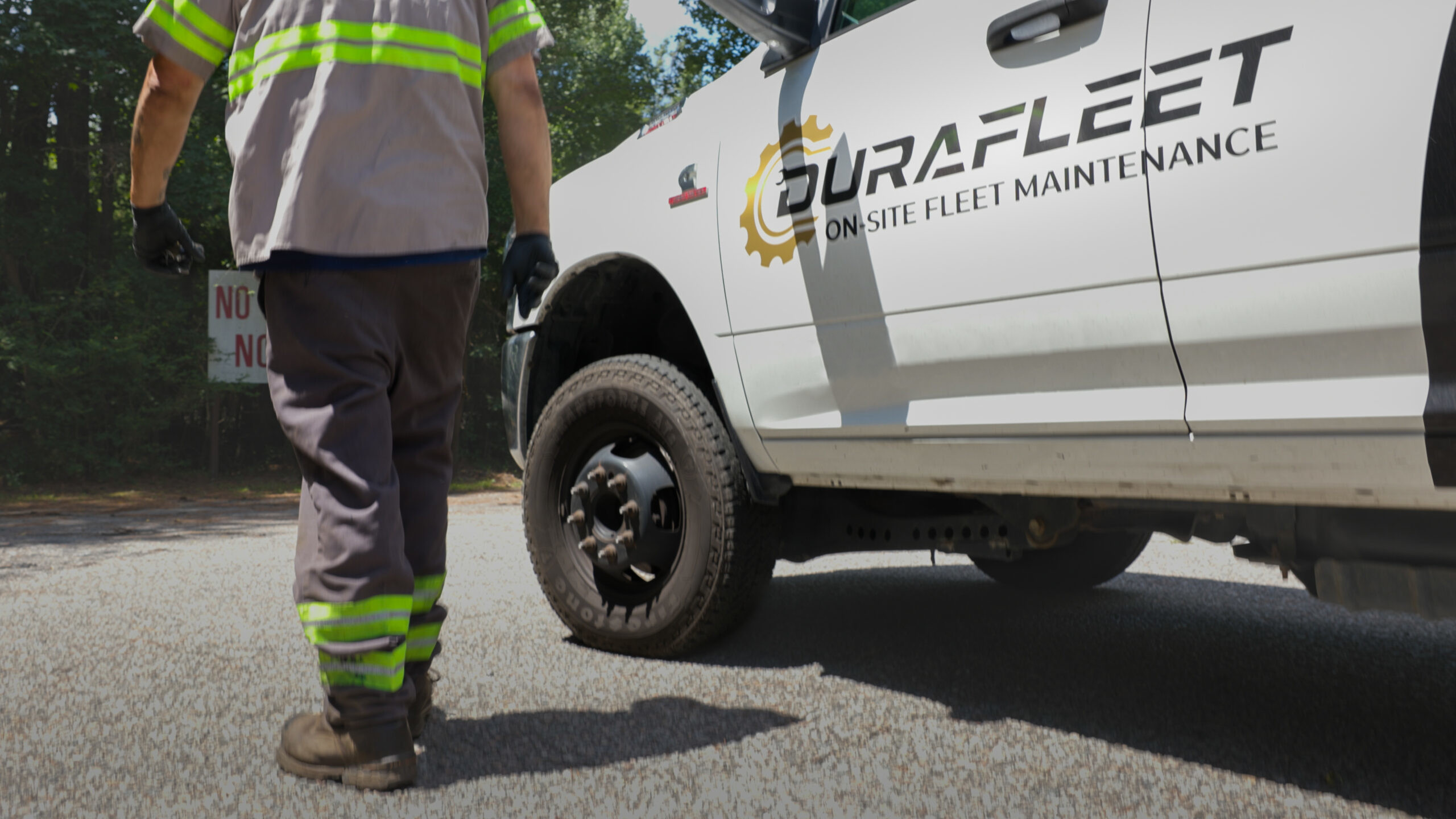
Running vehicles across Greater Chattanooga often means covering a lot of ground. A fleet might have units working in Cleveland, Soddy Daisy and Dalton in the same week, with trucks moving along I-24 and I-75 between them. When maintenance comes due, the default is usually to send the vehicle to a shop and choose the provider with the best quote. Before making that call, it is worth asking how mobile fleet maintenance in Chattanooga compares when every cost is counted, not just the invoice.
The quote tells you what the work costs. It does not tell you how long the vehicle will be gone, who will drive it there, how many calls it will take to coordinate, or what happens to the assignment it was supposed to cover. DuraFleet Chattanooga brings maintenance and repair to yards, facilities, job sites and vehicle locations when mobile work is practical. Below are five questions for running the comparison yourself.
Question 1: What Are the Direct Charges?
Start with parts, labor, inspection time and any service fees. Mobile pricing may be structured differently from a shop's, and for extensive work a facility may come out ahead. Compare openly and keep notes. Fleet budgets are real and should be managed carefully, but the lowest quote and the lowest total cost are not always the same thing.
Question 2: How Far Does the Vehicle Have to Travel?
Next, count the time and expense of getting vehicles to and from a shop. Here is a hypothetical example with made-up figures:
A fleet of 50 vehicles averages 4 shop visits per vehicle each year. Each round trip (drop-off and pickup) takes 3 employee-hours, and the fully burdened labor cost is $29 per hour.
50 × 4 × 3 × $29 = $17,400 per year
That is labor alone, before fuel or mileage. For a fleet spread across a wide region, travel time per visit can matter a great deal. Your numbers will differ, so plug in your own.
Distance affects the people side, too. If the nearest suitable shop is a long drive from a job site in LaFayette or a yard in Cleveland, the employee delivering the vehicle may be gone for a large part of the day, and someone else may need to cover their work.
Question 3: How Long Is the Vehicle Out of Service in Total?
Measure the full period a vehicle is unavailable, not just the labor hours on the repair order. Travel, bay scheduling, approvals and pickup all lengthen it. On-site service can narrow that window for suitable work and gives you more flexibility to schedule around operating hours, though the vehicle still has to be made available and some repairs still need more time or a facility.
Question 4: How Many Calls Does Each Visit Take to Arrange?
Count the staff time spent booking, approving, tracking and confirming work. A provider who communicates clearly can reduce it. A disorganized one, wherever they work, can add to it. Dependability and clear accountability are what you are really buying.
Question 5: Does the Work Need What Only a Shop Can Provide?
Repair facilities are a necessary part of fleet care. They provide:
- Specialized equipment and lifts
- Controlled, enclosed work environments
- Room and staffing for major or multi-technician repairs
Mobile service offers something else:
- Eligible maintenance and repairs performed where the vehicle is
- Fewer trips that exist only to move a vehicle
- More flexibility to schedule around operating hours
Routine fleet maintenance, DOT inspections and many eligible repairs are well suited to on-site service. Some work needs specialized equipment or a controlled environment, and forcing it into a parking lot can raise costs or compromise quality. Neither model wins every time. The most efficient approach is the one that gets the job done correctly and safely, with appropriate follow-through.
Building a Cost Model for Mobile Fleet Maintenance in Chattanooga
Add the answers up:
Total operational maintenance cost = direct service cost + transportation cost + coordination cost + added operational disruption
Avoid double-counting. If wages are already in the transportation figure, do not count them again as lost productivity unless there is a separate, measurable financial effect. The formula will not always point toward mobile service, but it will give you a clearer picture.
To get real inputs, pick a recent quarter and pull the records for every shop visit. For each one, note how far the vehicle traveled, who drove it, how long it was gone and how many calls it took to arrange. Even rough estimates will show whether transport and coordination make up a meaningful share of your maintenance spending.
Serving Fleets Across Tennessee, Georgia and Alabama
DuraFleet Chattanooga supports customers in Greater Chattanooga, Cleveland and Soddy Daisy in Tennessee; Dalton, Ringgold and LaFayette in Georgia; and the Huntsville area of north Alabama. Service depends on vehicle location, needs, technician availability and whether mobile work is suitable. Exact boundaries can be confirmed through our Chattanooga location page or with our team.
Our purpose is to Make Control Easier, and choosing the right service model for each job is a big part of that. Use a shop when the work demands it. Bring the work to the vehicle when that is the better path. Anywhere Fleet Maintenance. Handled.
Get a Clearer Maintenance Plan
Wondering which work could be handled at your facility? Tell our Chattanooga team about your vehicles and where they operate. Request service from DuraFleet Chattanooga.