The phone rings, and a driver says the truck has stopped. What gets said in the next few minutes shapes everything that follows. If the call produces a clear location, a description of the symptoms, and a confirmation that the driver is safe, help can be arranged with purpose. If it produces "it just quit somewhere on 271," the response starts with guesswork.
For fleets planning commercial truck roadside assistance in Cleveland East, the first call is the best place to invest effort. Here is how to make it count, and how to build the rest of a response plan around it.
Why Breakdowns Cost More Than the Repair
A disabled truck rarely affects only itself. The driver may be stuck. Deliveries or service appointments may slip. Dispatch has to rework the day, customers may need a heads-up, and the fleet manager has to arrange help and decide on next steps, often all at once. The mechanical fault might be minor. The scramble around it usually is not.
A response plan, written ahead of time, turns that scramble into a sequence.
Step One: Confirm Safety Before Anything Else
The first question on every breakdown call should be whether the driver and vehicle are in a safe spot. Drivers should know your procedure for pulling over when a problem appears, reporting it, and asking for help. If the vehicle is in a dangerous position, emergency services take priority over any maintenance arrangement. Drivers should never be asked to diagnose or fix equipment in unsafe conditions, which matters all the more on a cold Northeast Ohio shoulder in winter.
Fleet managers also need a way to judge whether the truck can stay put while help is arranged. A fast response that skips safety is not a good one.
Step Two: Make the First Call Complete
Give every driver the same short list to report:
- Who and what: unit number and vehicle type
- Where: highway and direction, nearest exit or cross street, or the business address
- What happened: no start, loss of power, overheating, a leak, an electrical issue, an unusual sound
- What the dash shows: warning lights or messages
- Load status: loaded, empty, or pulling a trailer
- Hazards: anything at the scene that raises a safety concern
A driver on I-90 near Mentor or I-480 near Solon does not need to know why the truck stopped. They just need to share enough that a qualified technician can plan an appropriate response.
Step Three: Know Who Owns Each Decision
After the first call, several people may be involved: the driver, a dispatcher, the fleet manager, and the roadside provider. Decide in advance:
- Who contacts the provider
- Who approves work and within what limits
- Who keeps in touch with the driver
- Who makes the call on towing or a replacement unit
- Who signs off that the vehicle is ready to return
When those roles are settled, the fleet manager is not stuck relaying every message between every person.
Step Four: Fix It There, or Move It?
Not every breakdown ends at a shop. Depending on the fault, the location, and safety, a mobile technician may be able to run computer diagnostics, resolve certain mechanical or electrical problems, or complete an eligible repair on site.
Some situations call for a facility instead: a failure that needs specialized equipment, a repair too extensive for the roadside, or a spot that is simply unsafe to work in. The decision should reflect what the technician finds and what is safe, not only a wish to avoid a tow. Getting back to service safely and effectively is the target.
Step Five: Update at the Moments That Matter
Once help is dispatched, the fleet still needs to know what is happening. Useful updates answer a few questions: Was the request accepted? Is the technician on the way? What did the assessment show? Can it be fixed roadside? Are parts, approvals, or towing needed?
Those updates let dispatch make real decisions and let the office give customers honest timelines. They also cut down on repeated status calls.
Step Six: Turn Each Breakdown Into Data
After a significant event, write down the reported issue, the diagnosis, the repair, how long the truck was out, and any recommended follow-up. Over time, look for patterns. Is the same unit stopping repeatedly? Is one type of failure showing up across the fleet? Could an inspection step or a change to preventative maintenance catch it sooner?
Some breakdowns cannot be prevented. Understanding the causes makes the avoidable ones less likely.
Commercial Truck Roadside Assistance in Cleveland East: Our Role
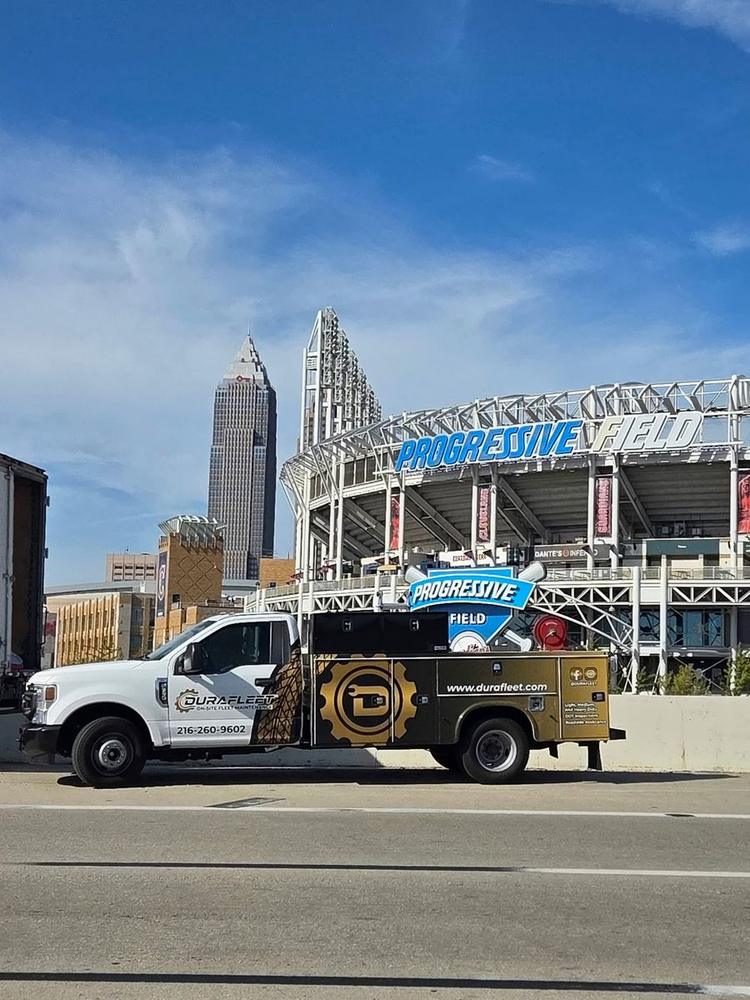
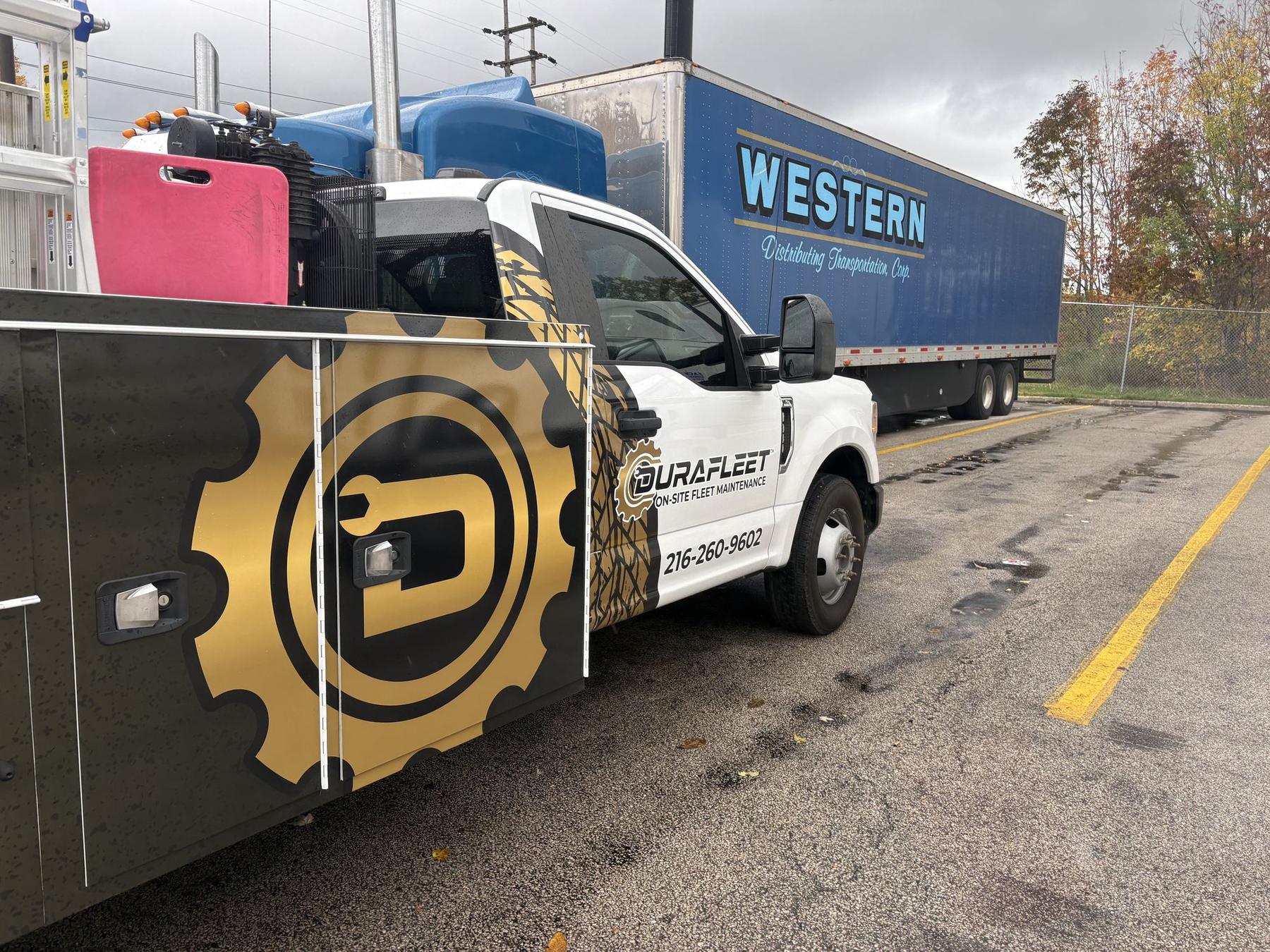
DuraFleet's purpose is to Make Control Easier, and Roadside Mobile Assistance is a direct way we deliver on it. The DuraFleet Cleveland East team can assess a disabled vehicle at its location, explain what can safely be addressed on site, and help determine the next step when a repair needs more facilities or equipment. We serve fleets in and around Euclid, Willoughby, Painesville, Beachwood, and nearby communities. Emergency availability and response timing should be confirmed when you call.
We will not promise that every truck can be fixed where it stopped or that breakdowns can be eliminated. We will focus on clear communication so your drivers and dispatchers are working from facts instead of guesses.
Prepare Before the Next Call
Would your team's first breakdown call give a technician what they need? Tell us about your fleet and where it runs, and we will help you build a response that fits.
Request service from DuraFleet Cleveland East
Anywhere Fleet Maintenance. Handled.