On the north side of Houston, a disabled commercial vehicle can end up on a crowded stretch of I-45, along US 290 near Cypress, or on a frontage road beside a distribution yard in Aldine. Add in heavy traffic and the chance of a sudden storm, and the first question after a breakdown is not "what broke?" It is "is everyone safe?"
That is why DuraFleet Houston North builds every conversation about commercial truck roadside assistance in North Houston around safety first. A good response plan protects drivers, gives managers a clear next step, and keeps one stalled vehicle from derailing the entire day.
A Breakdown Is More Than a Mechanical Problem
When a truck stops mid-route, the impact spreads. A driver may be stuck on the shoulder. A delivery or job site may be waiting. Dispatch has to adjust, customers may need updates, and the fleet manager has to figure out how to get the vehicle safely back to work.
The fix itself might be simple. The disruption around it usually is not. A response plan prepared in advance will not prevent failures, but it can remove much of the confusion that follows them.
Commercial Truck Roadside Assistance in North Houston Starts With Safety
Set clear rules for drivers
Drivers should know how to get to the safest available spot when they can, how to report a problem, and how to request help. They should never be asked to diagnose or repair a vehicle in unsafe conditions, whether that means live traffic, poor visibility, or rising water.
Respect traffic and weather
If a vehicle is in a hazardous position or presents an immediate danger, emergency response takes priority over maintenance. When a breakdown happens near active traffic or floodwater, safety and access must come before any repair work. Sometimes the right move is simply to wait for conditions to allow a safe approach.
Decide whether the vehicle can stay put
Fleet managers need a way to judge whether a disabled vehicle can remain where it is while help is arranged, or whether it needs to be moved. The fastest response is the one that gets these calls right, then moves efficiently toward a fix.
Gather the Right Details
Once everyone is safe, the next priority is information. Missing details are one of the most common causes of delay. Ask drivers to report:
- Unit number
- Exact location and direction of travel
- What happened: no start, electrical issue, leak, overheating, unusual sound
- Any warning lights or messages
- Whether the vehicle is loaded
- Any hazards at the scene
The goal is not to make drivers technicians. It is to give a qualified team enough to respond the right way.
Roadside Repair or Tow: Making the Call
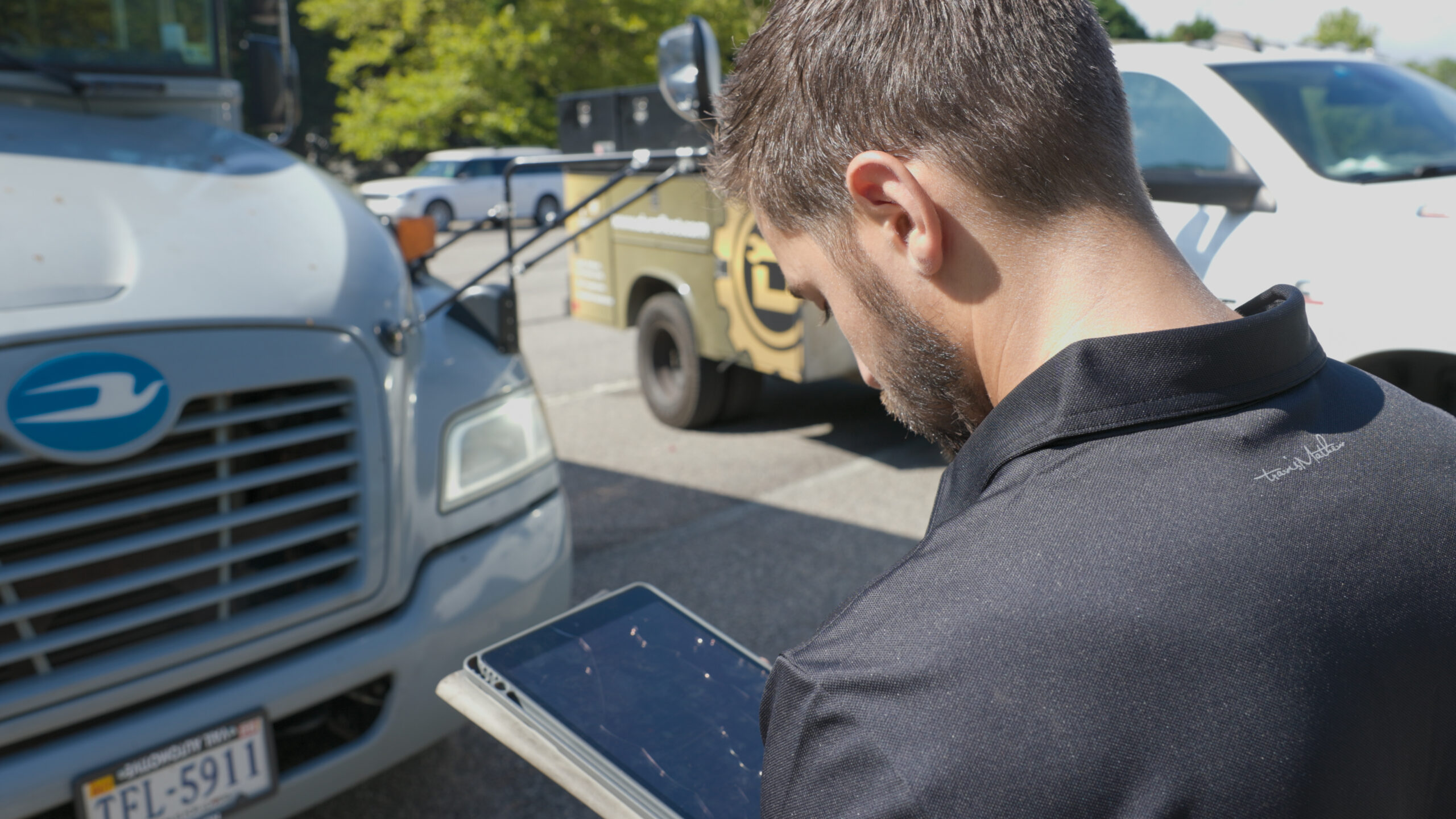
Not every breakdown means a trip to the shop. Depending on the issue, location, conditions, and available capabilities, a qualified mobile technician may be able to diagnose the problem and complete an eligible repair where the vehicle stopped. That can reduce towing and coordination.
But roadside work is not always the answer. Some failures need specialized equipment, more extensive repairs, or a controlled shop environment. Unsafe locations or weather can rule out on-site work entirely. The decision should come from the technician's assessment, the repair requirements, and safety, not from a desire to avoid a tow. The objective is the safest and most effective path back to service.
Assign Roles Before You Need Them
Several people get pulled in: the driver reports, dispatch handles the route, the fleet manager coordinates maintenance, and the provider assesses and recommends. Decide ahead of time who calls the provider, who approves work, who talks to the driver, who decides on a tow or replacement vehicle, and who confirms the vehicle is ready to go. That keeps the fleet manager from becoming the hub for every call.
Keep Communication Useful
After help is dispatched, you need to know when the request is accepted, when a technician is on the way, what the assessment finds, and whether parts, approvals, or a tow are needed. Updates tied to decisions help dispatch plan and keep customers informed without endless check-ins.
Feed What You Learn Back Into Maintenance
After a significant event, record the reported issue, diagnosis, repair, downtime, and any follow-up. Over time, patterns appear: repeat events on certain units, similar failures across the fleet, or inspection steps that need adjusting. Tying those records to your preventative maintenance program can reduce avoidable breakdowns, even though no plan prevents every one.
How DuraFleet Houston North Helps
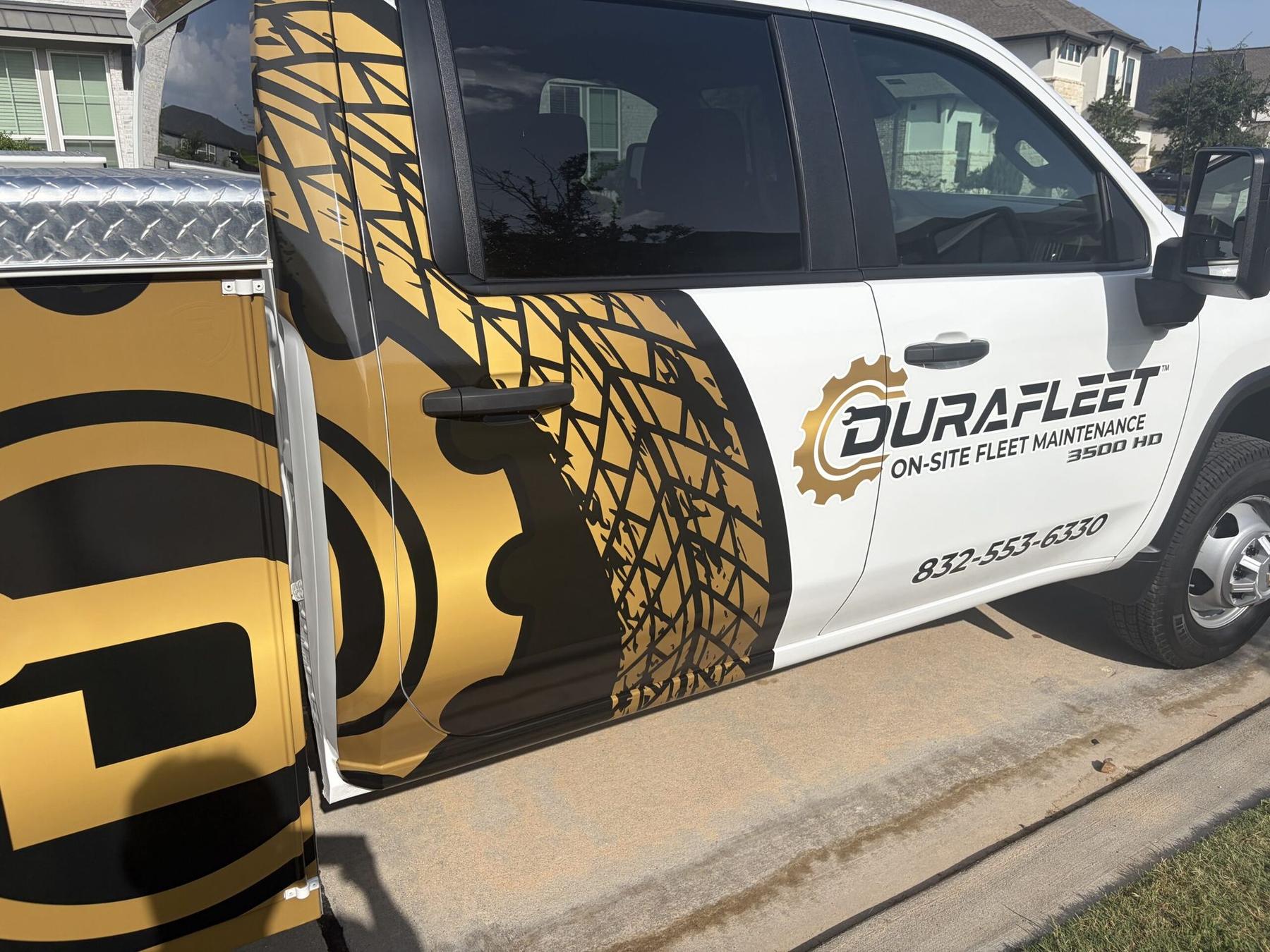
Our purpose is to Make Control Easier. DuraFleet Houston North offers roadside assistance for commercial vehicles across North and Northwest Houston, including Spring, Greenspoint, Willowbrook, and Humble, alongside preventive maintenance, inspections, diagnostics, and repairs. Roadside Mobile Assistance starts with understanding the problem and the location. Where conditions and the repair allow, service may be completed at the vehicle. When a shop or tow is the safer choice, we explain why. Contact the team to confirm coverage for a specific address or roadside location.
We will not promise that breakdowns never happen. We will help you respond with more preparation and less guesswork.
Anywhere Fleet Maintenance. Handled.
Talk With Our North Houston Team
Is your team ready to respond safely if a truck stops today? Tell us about your fleet and the issues you want to plan for. Request service from DuraFleet Houston North.