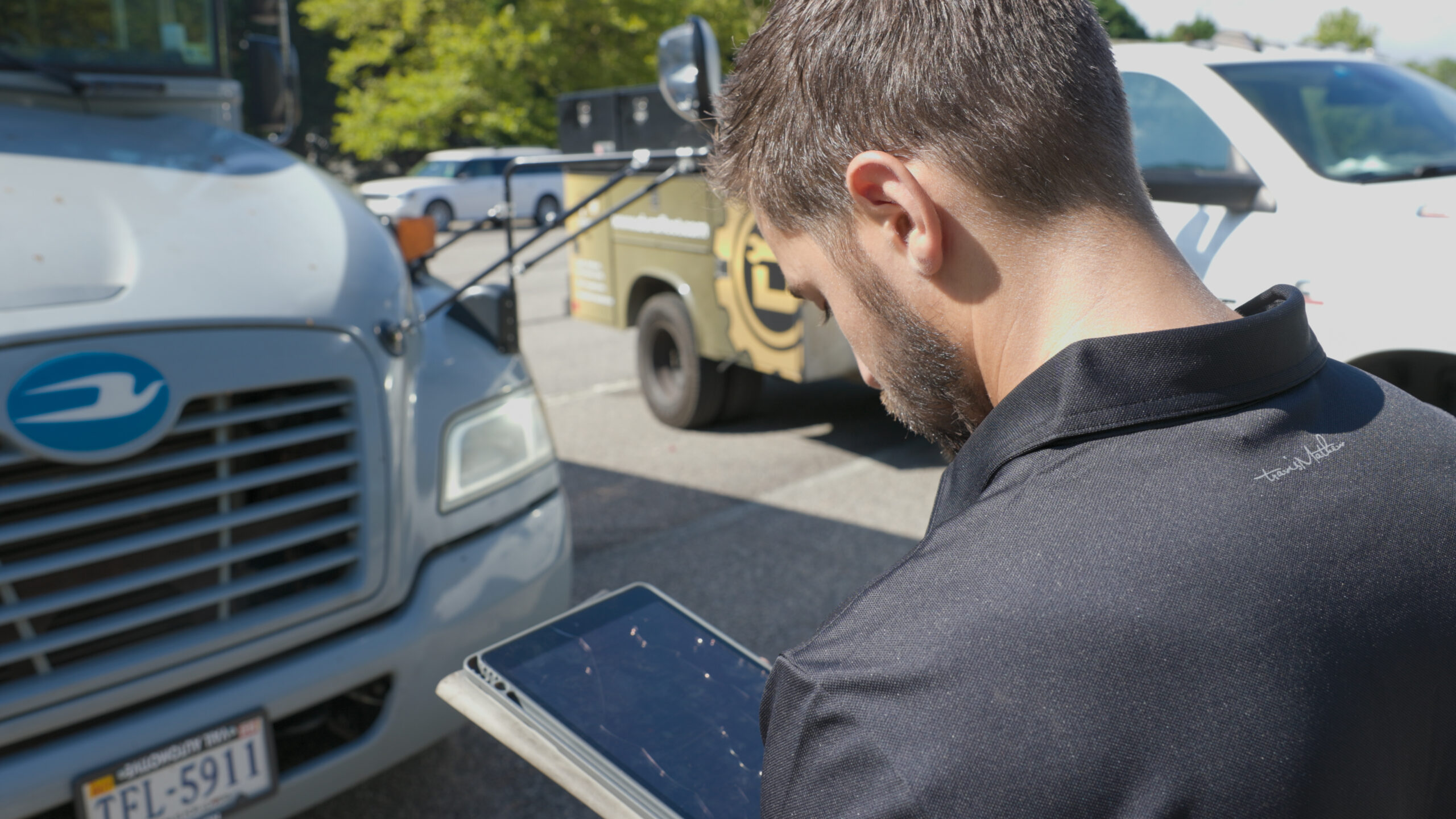
A truck that will not start on a frigid morning, a unit that loses power merging onto the interstate, an engine that overheats partway through a summer route: fleets in the northern Salt Lake Valley see all of them. Commercial truck roadside assistance in Salt Lake City North is a necessary part of the answer, but the speed and quality of the response depend heavily on what your team has set up in advance.
When a vehicle stops, it is not only a mechanical event. A driver is stuck, dispatch is rearranging work, customers need to hear something and a manager has to decide what happens next. A plan built ahead of time keeps those decisions from being made in a rush.
Commercial Truck Roadside Assistance in Salt Lake City North Begins Before Winter
The best time to write a roadside plan is during a quiet week, not in the middle of a storm. Before the colder months settle in along the Wasatch Front, walk through what happens on the day a truck stops. A short plan settles who is responsible, how information moves and which service arrangements are in place. It will not prevent failures, but it trims the confusion that makes them costlier.
Six Parts of a Practical Roadside Plan
Part 1: Safety rules drivers already know
Drivers should know how to stop in the safest available location, report the problem and wait for assistance. On winter shoulders with reduced visibility, that matters even more. If a vehicle is in a hazardous position, emergency response comes first. Drivers should not be expected to troubleshoot or repair equipment in unsafe conditions, and managers need a way to decide whether the vehicle can safely stay where it is while help is arranged.
Part 2: A first report that answers the obvious questions
- Unit number and vehicle type
- Exact location and direction of travel, or the yard address
- Symptoms: no-start, loss of power, overheating, leak, electrical issue
- Warning lights or dash messages
- Load status
- Weather and road conditions at the scene, plus any safety concerns
The driver gathers facts; the technician does the diagnosing.
Part 3: Clear lines of responsibility
Name who contacts the service provider, who authorizes repairs, who talks with the driver, who decides on towing or a replacement unit and who confirms the vehicle is ready. With those set, the fleet manager is not the hub for every call.
Part 4: A realistic view of roadside repair
Some issues can be solved where the truck stopped. A qualified technician may be able to perform computer diagnostics, correct certain mechanical or electrical faults and finish eligible repairs on site. Others need specialized equipment, extensive work or a controlled shop setting, and some locations, especially in poor weather, are too unsafe for roadside work. The choice should follow the technician's assessment and safety rather than a desire to avoid towing.
Part 5: Updates when decisions are due
Request accepted, technician en route, assessment done, repair feasible, parts or approvals needed, tow required: these are the moments fleet managers need to hear about. Timely updates help dispatch decide and keep customers informed, without a stream of check-in calls.
Part 6: A record of what happened
Afterward, document the symptom, diagnosis, repair, downtime and recommended follow-up. Over time, patterns emerge, such as repeated events on one unit or similar failures across several. Temperature swings and road salt are hard on equipment, and those records can guide adjustments to inspections and preventative maintenance. Not every breakdown is preventable, but understanding them reduces the avoidable ones.
A Hypothetical Cold-Morning No-Start
Here is an illustrative scenario. On a winter morning, a loaded straight truck at a distribution yard in the northern valley will not start. The driver confirms the truck is parked safely, then reports the unit number, yard address, the no-start symptom, a dash warning, the load and the conditions outside. Dispatch moves the first deliveries to another truck and tells the affected customers. The fleet manager, who owns roadside decisions, calls the provider with everything they need.
The technician assesses the truck in the yard. If the cause can be fixed safely there, the truck heads out later that morning. If it needs shop work, the plan already covers towing and how the load moves. The morning is disrupted, but the team is not scrambling.
Roadside Service From Our Local Team
DuraFleet Salt Lake City North offers commercial roadside service in its designated area. We assess the problem at the vehicle where conditions permit, explain what we find and help determine whether a safe on-site repair is practical or whether additional service or towing is needed. Response depends on location, conditions and availability, and we do not promise 24-hour coverage.
Our purpose is to Make Control Easier. Roadside Mobile Assistance works alongside preventative maintenance, inspections, diagnostics and repairs, giving you another layer of support when plans change. We cannot promise breakdowns won't happen or that every vehicle can be repaired immediately. We can help you respond with better preparation and a clearer path back to service.
Anywhere Fleet Maintenance. Handled.
Get Ready for the Next Roadside Call
Is your team prepared for the next breakdown? Tell us about your vehicles and where they operate, and confirm service at your address. Request service from DuraFleet Salt Lake City North.