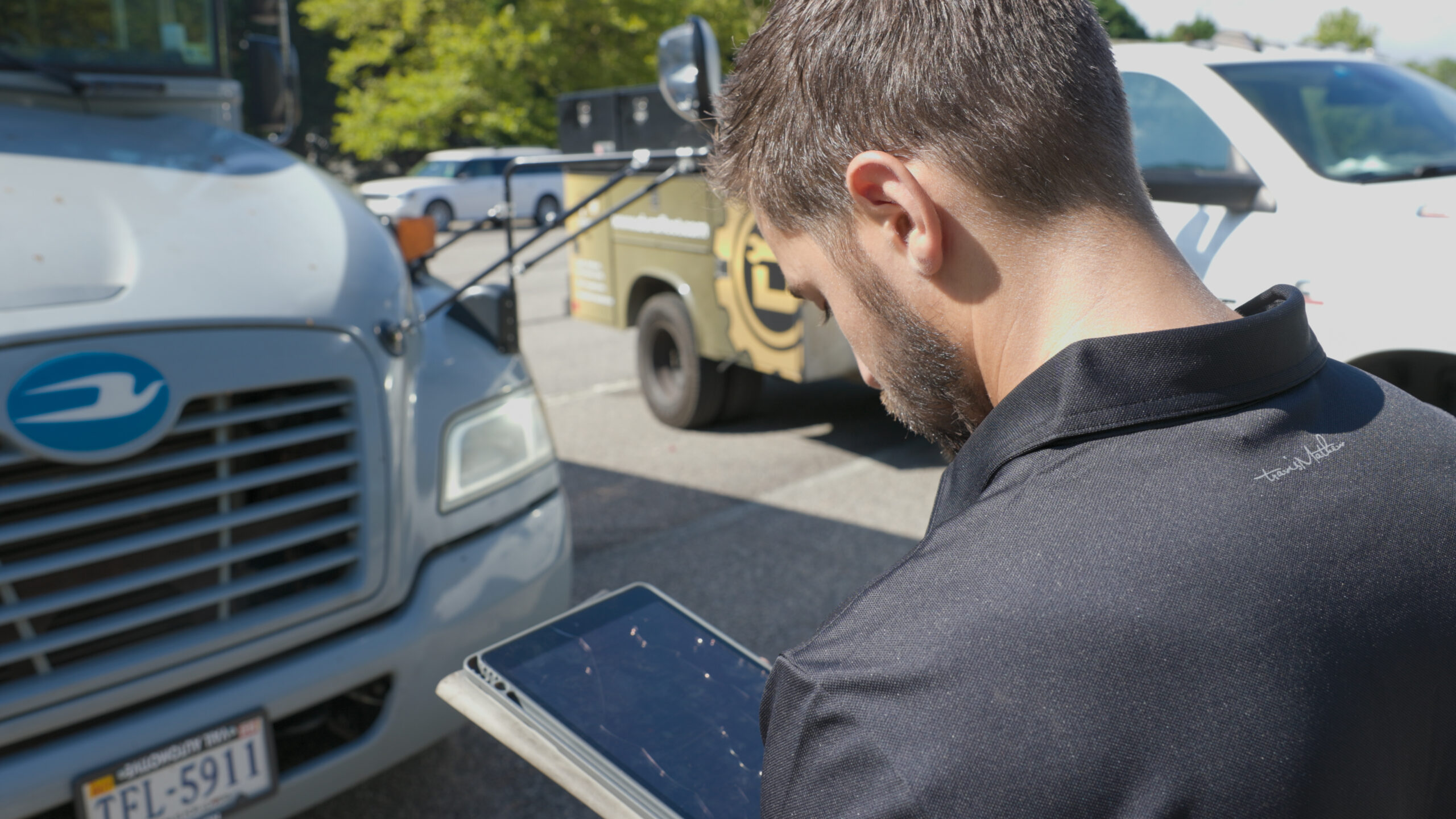
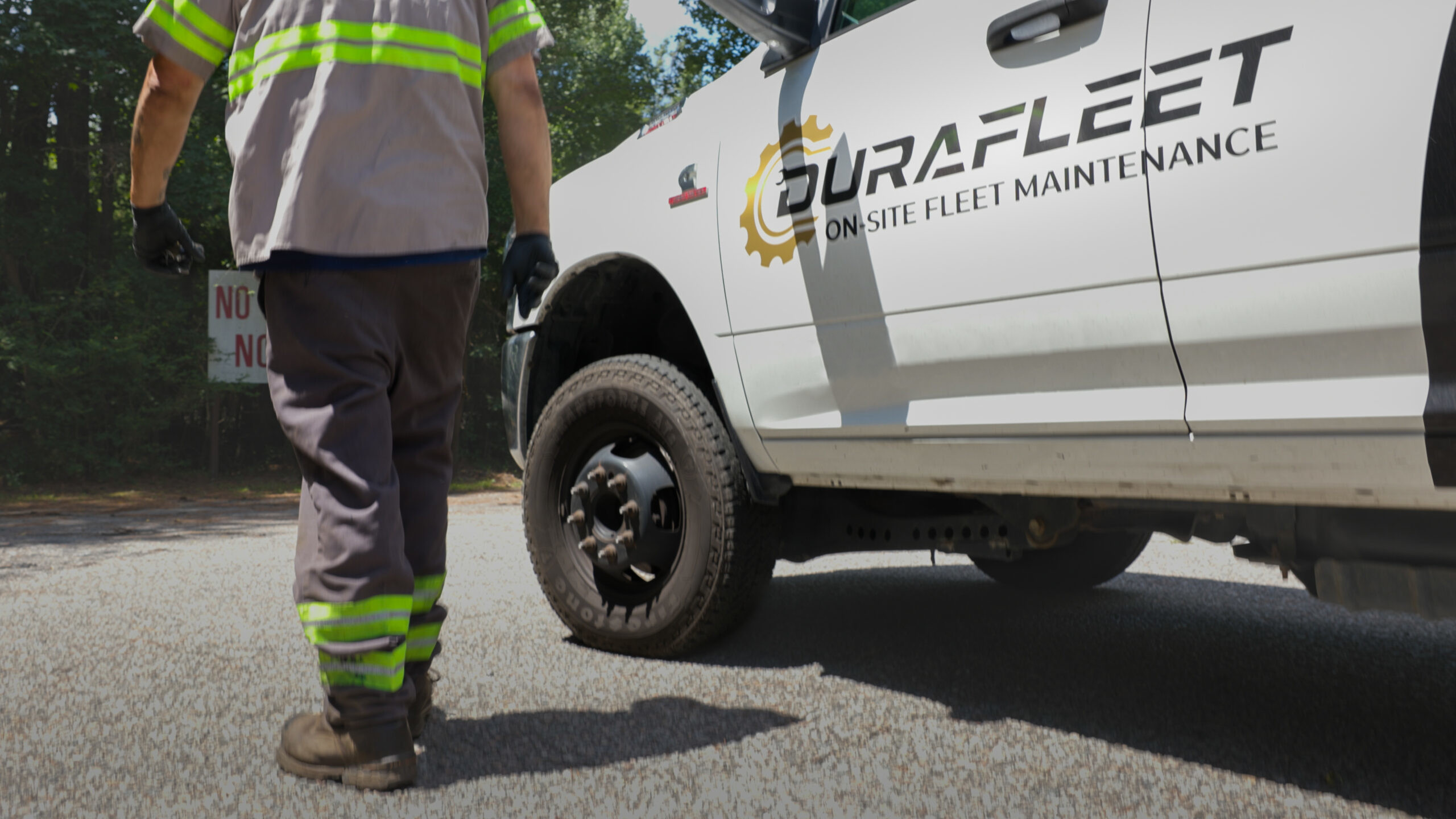
South Jersey fleets rarely run on a steady calendar. Shore communities from Ocean City to Cape May change pace with the seasons, construction crews work hard when the weather cooperates, and warehouse operations around Camden and Deptford have their own busy stretches. When the schedule is tight, a truck sitting at a shop costs more than the repair ticket admits.
That is why the DuraFleet South Jersey team suggests a wider lens when evaluating mobile fleet maintenance in South Jersey. Instead of asking only who quoted less, ask what a given service approach will cost the operation from the moment a vehicle leaves the route to the moment it returns. Five questions cover it.
Question 1: Is the Lower Quote Really the Better Deal?
Labor rates, service fees, and parts are fair things to compare. Fleet budgets need watching, and a mobile provider's pricing may look different from a shop's. Some jobs, especially heavy repairs that call for specialized equipment or several technicians at once, may be better and cheaper at a facility.
But the invoice only captures what happened to the vehicle. It leaves out everything your business spent to make that service happen.
Question 2: What Does a Single Shop Run Ask of Your Team?
Follow one truck through a routine shop appointment and the hidden costs show up fast:
- A driver or another employee takes it to the shop, often in the middle of a workday.
- Someone else may need to follow in a second vehicle to bring that person back.
- An employee makes the return trip for pickup, again on the clock.
A hypothetical example from Salem to Toms River
Consider a hypothetical South Jersey operator with 60 vehicles. The fleet is spread across a wide service area, so trips to its preferred shop run long. Assume each vehicle needs 3 shop visits a year, each visit takes 3 employee-hours of driving and waiting, and the fully burdened labor cost is $38 per hour.
- 60 vehicles × 3 visits = 180 visits
- 180 visits × 3 hours = 540 employee-hours
- 540 hours × $38 = $20,520 per year
These figures are made up to illustrate the calculation, not drawn from any real customer. Still, they show how quickly transport labor alone can grow before counting fuel, mileage, or work left undone. When eligible services are performed at the fleet's own yard or job site, much of that expense can shrink.
Question 3: How Long Is the Truck Off the Route in Busy Season?
Once it arrives, the truck waits for an open bay, then for an approval call, then for pickup, and dispatch reshuffles routes for every hour it is gone. Seasonal traffic along the I-295 and New Jersey Turnpike corridors can make a shop run take longer than planned. Planning maintenance at your location, during the quieter part of the day or week, can keep those factors from stacking up.
Mobile service does not end downtime on its own, though. The vehicle still has to be pulled from use while the work is done. Fleets that serve Atlantic City, Egg Harbor Township, and other coastal areas also deal with salt exposure that can call for closer attention to certain components, which is one more reason to plan service rather than react to it.
Question 4: How Much Coordination Does Each Visit Demand?
Booking appointments, briefing drivers, approving repairs, and confirming completion all take time from fleet managers, dispatchers, and office staff. A service relationship with clear communication and accountability can reduce that burden. A disorganized one, mobile or shop-based, will add to it. Location matters less than reliability.
Question 5: Where Does On-Site Work Fit, and Where Does It Not?
Being honest about trade-offs is part of making a good choice. Some repairs need a lift, a controlled environment, or tooling that only a facility has. Trying to force those jobs on site can drive up cost and hurt the quality of the repair.
Where on-site work tends to fit well:
- Preventative maintenance on a planned schedule
- DOT inspections
- Computer diagnostics to pin down a warning light or performance concern
- Many eligible diesel truck, trailer, and bus repairs
The decision should rest on the vehicle, the condition, safety, and the technician's assessment, not on a blanket rule.
Weighing Mobile Fleet Maintenance in South Jersey Fairly
Add up four things using your own numbers:
- What the service itself costs
- What it costs to move the vehicle
- What it costs to coordinate the work
- Any added disruption to operations
Avoid counting the same dollars twice. If driver wages are already in the transport line, leave them out of lost productivity unless a separate, measurable loss exists.
This math will not always favor mobile service. It will give you a clearer, more defensible decision.
Make Control Easier
DuraFleet's purpose is to Make Control Easier. For fleets across Cherry Hill, Vineland, Hammonton, and the rest of South Jersey, that means using on-site fleet maintenance where it makes sense, relying on shop service where the job requires it, and keeping Roadside Mobile Assistance available when the unexpected happens.
Talk Through Your Fleet's Total Cost
Tell us what your vehicles need and where they operate, and we will help you identify which services may be handled more efficiently on site.
Request service from DuraFleet South Jersey
Anywhere Fleet Maintenance. Handled.