Breakdowns in Broward County tend to happen at the worst moment: halfway through a delivery window, in afternoon traffic on I-595, or with a driver several stops from the yard. Commercial truck roadside assistance in Fort Lauderdale is about more than getting a technician to the vehicle. It is about how your whole team responds once a truck stops, from the driver's first call to the moment the unit is cleared to work again.
A stalled vehicle sets off a chain reaction. Dispatch reshuffles routes, customers need updates and someone has to decide whether the truck can be fixed where it is. The mechanical fault might be simple. The disruption around it usually is not. That is why fleets running through Fort Lauderdale, Dania Beach, Oakland Park and Tamarac benefit from a response plan written before anything goes wrong.
Why Improvised Responses Cost Time
When nobody has decided ahead of time who calls whom, the first half hour of a breakdown often goes to sorting out basics. Where exactly is the truck? Is the driver safe? Is there a load on board? Will it need a tow? A written plan settles those questions in advance. It will not prevent mechanical failures, but it cuts down on the confusion that follows them.
Step One: Safety Before Speed
Every plan should start with the driver. Make sure drivers know your procedure for pulling over in the safest available spot, reporting the problem and waiting for help. If a vehicle is stopped somewhere dangerous, emergency services come first and maintenance arrangements wait.
Drivers should never be asked to troubleshoot or repair a truck in unsafe conditions, whether that is a narrow shoulder on I-95 or a congested stretch of US-1. Fleet managers also need a way to judge whether the vehicle can stay where it is while help is arranged. Moving quickly toward the wrong decision is not a fast response.
Step Two: A Better First Call
Incomplete information is one of the biggest sources of roadside delay. "The truck died" leaves a lot of questions open. Give drivers a short checklist so the first report includes:
- Unit number and vehicle type
- Exact location, including direction of travel and nearest exit or cross street
- What happened and what the driver noticed (no-start, loss of power, warning lights, leaks, overheating)
- Any dashboard codes or messages
- Whether the vehicle is loaded
- Any immediate safety concerns
The driver does not need to diagnose anything. The goal is to give a qualified technician enough to plan the right response.
Step Three: Assign the Roles Now
A single roadside event can involve the driver, dispatch, the fleet manager and the service provider. Decide in advance who contacts the provider, who approves repairs, who stays in touch with the driver, who decides on towing or a replacement unit, and who confirms the vehicle is ready to return. When those roles are set, the fleet manager is not stuck relaying every message between everyone else.
A Hypothetical Broward Breakdown
Consider an example, purely for illustration. A box truck on an afternoon route out of Margate shows a rising temperature gauge on I-595 near Davie. Following the plan, the driver exits at the next safe opportunity, parks away from traffic and calls dispatch with the unit number, location, the gauge reading and the fact that the truck is half loaded. Dispatch notifies affected customers while the fleet manager contacts the roadside provider with those details.
The technician assesses the truck on site. If the cause is something that can be safely corrected there, the truck finishes its day. If it needs shop-level work, the fleet manager already knows who authorizes a tow and how the remaining stops get covered. Either way, nobody is guessing.
How Commercial Truck Roadside Assistance in Fort Lauderdale Fits In
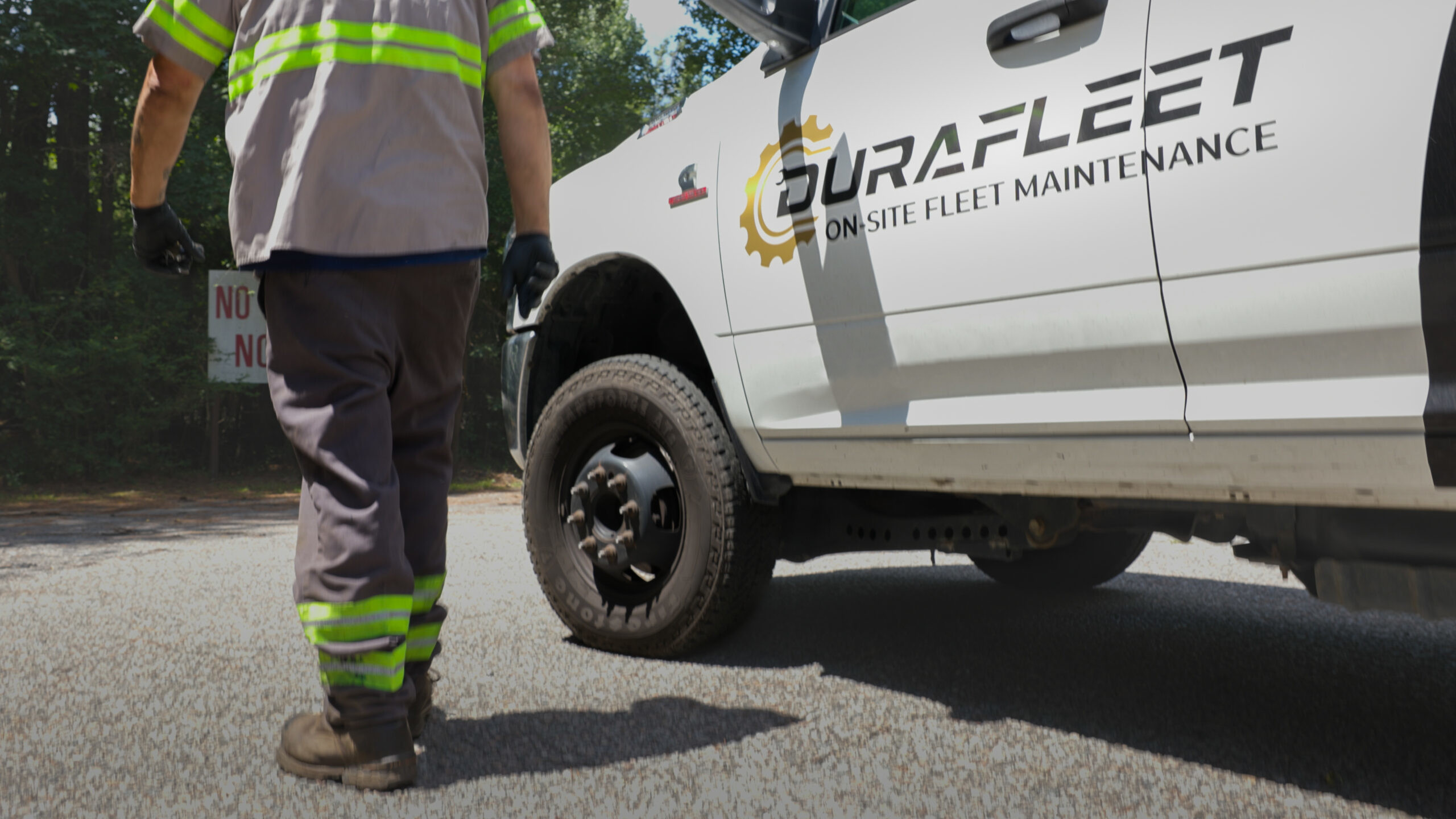
Some problems can be handled at the roadside. Qualified mobile technicians can often run computer diagnostics, address certain electrical or mechanical issues and complete eligible repairs without moving the vehicle. That can save a tow and a shop visit.
Not every failure qualifies. Some repairs need specialized equipment or a controlled shop setting, and some locations are simply unsafe to work in. The choice should rest on the technician's assessment, the repair itself and safety, not on a wish to avoid towing. DuraFleet Fort Lauderdale provides roadside service within its coverage area with that standard in mind: a clear assessment and a responsible next step.
Keep Updates Useful
Once help is on the way, the fleet manager still needs to know where things stand. Has the request been accepted? Is the technician en route? Can the repair be done on site, or are parts, approvals or a tow needed? Good updates arrive when a decision has to be made, not every few minutes. They let dispatch plan and keep customers informed.
Turn Breakdowns Into Better Maintenance
After any significant event, record the symptom, the diagnosis, the fix, how long the vehicle was down and any recommended follow-up. Over time, those notes reveal patterns, such as the same unit failing repeatedly or a similar component problem across several trucks. Heat and constant stop-and-go driving are hard on equipment, and that history can help you adjust inspections and preventative maintenance. Not every breakdown can be prevented, but many repeat problems can be caught earlier.
Ready Before the Next Call
DuraFleet's purpose is to Make Control Easier, and Roadside Mobile Assistance is one way we put that into practice alongside preventative maintenance, inspections, diagnostics and repairs. We cannot promise a truck will never stop or that every repair can be done on the spot. We can help your team respond with less confusion and a clearer path back to service.
Anywhere Fleet Maintenance. Handled.
If your team would benefit from a roadside plan, tell us about your vehicles and routes. Contact DuraFleet Fort Lauderdale to request service.