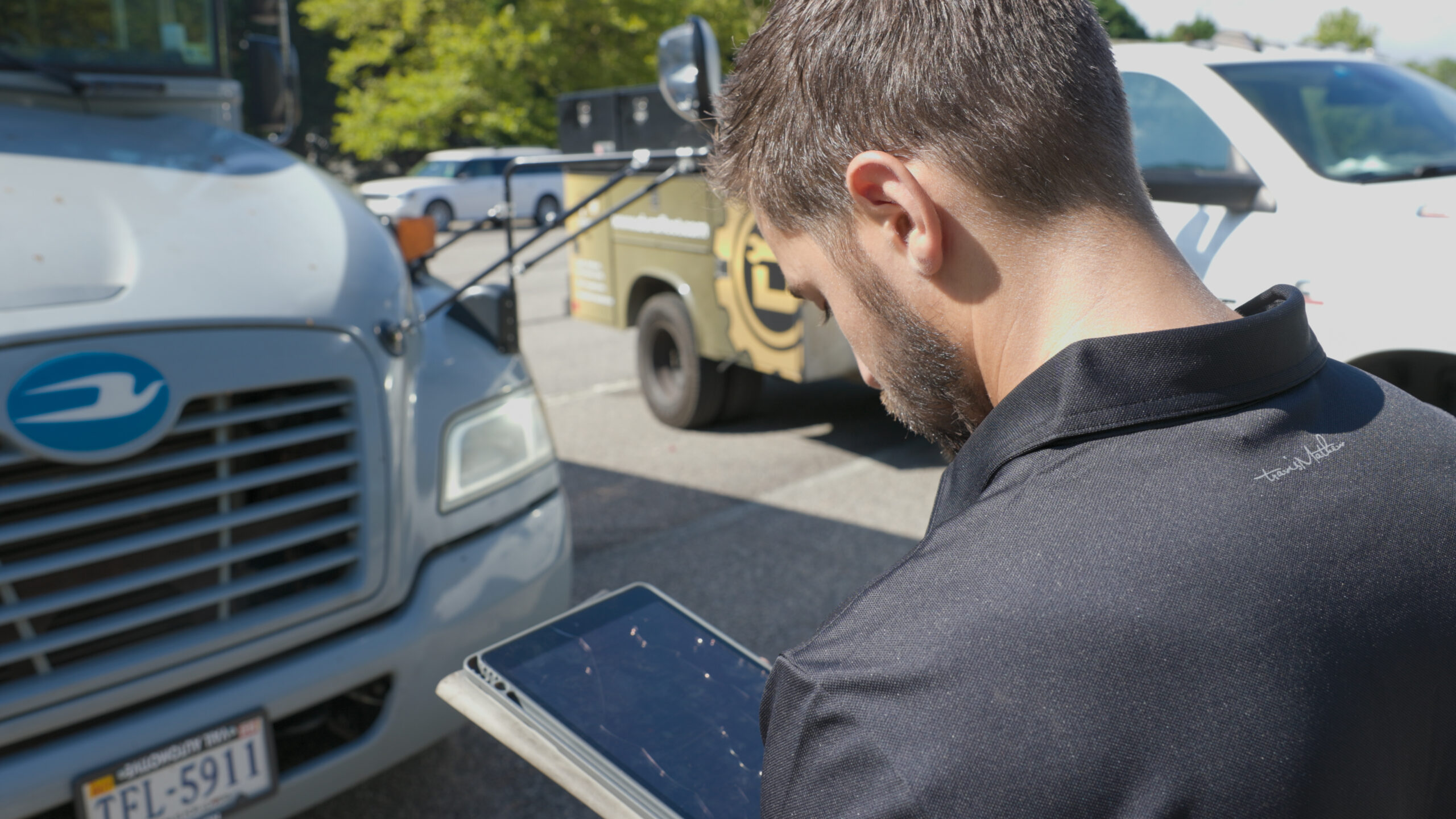

Ask a Broward County fleet manager what a repair costs and the answer usually comes straight off the invoice: parts, labor, maybe a diagnostic charge. That number is real, but it rarely tells the whole story. When fleets weigh mobile fleet maintenance in Fort Lauderdale against a trip to a repair shop, the more useful question is what the entire maintenance event costs the operation, from the moment a truck leaves its route until it is back on one.
DuraFleet Fort Lauderdale works with delivery vehicles, service fleets, commercial trucks and equipment across Fort Lauderdale, Pompano Beach, Plantation, Davie and Coral Springs. A common pattern: the price on the work order gets scrutinized, while the hours spent moving vehicles and managing appointments go largely uncounted. These five questions bring each of those hidden pieces into view.
1. What Will the Work Order Actually Charge?
Price comparisons are a fair place to begin. Mobile service can be structured differently from shop service, with its own labor rates or service fees, and a well-equipped shop may be the better value for some jobs. Those differences deserve a transparent, side-by-side look.
The catch is that the cheapest quote and the cheapest outcome are not always the same thing. A lower labor rate can be erased by everything that has to happen around the repair, which is what the next four questions are for.
2. Who Shuttles the Vehicle Across Broward County, and for How Long?
Every shop visit means someone drives the vehicle in and someone brings it back. On I-95, I-595 or the Florida Turnpike, with stop-and-go traffic for much of the day, that trip is seldom quick. The time usually belongs to a driver or another employee who would otherwise be doing paid work.
A hypothetical Fort Lauderdale fleet
Here is a hypothetical example to show how the math works. Picture a Fort Lauderdale fleet of 30 vehicles, each needing 4 maintenance visits per year. If each drop-off and pickup takes 2.5 employee hours, at a fully burdened labor cost of $34 per hour:
- 30 vehicles × 4 visits = 120 shop visits
- 120 visits × 2.5 hours = 300 employee hours
- 300 hours × $34 = $10,200 per year
That figure covers labor only. Fuel, wear on the vehicle doing the driving and any extra transportation sit on top of it. Your numbers will be different, so plug in your own. For eligible work done at your yard or facility, much of that shuttle time can shrink or disappear.
3. How Many Hours Is the Truck Off Its Route, Not Just Under the Wrench?
A job that takes a technician two hours can easily keep a truck off the road for most of a day once you add the drive, the wait for an open bay, approval calls and pickup. Bringing the work to where the vehicle already sits can shorten that gap, and it can make it easier to schedule service during a slow part of the day. It does not make downtime vanish. The vehicle still has to be available, and some repairs simply take longer. Track hours out of service rather than hours of labor.
4. Who Carries the Coordination Load Each Time?
Someone books the appointment, lines up drivers, approves the repair, tracks status and confirms the work is finished. That time is spread across managers, dispatchers and office staff, and it adds up over a year of visits. A dependable process with clear accountability reduces it. A disorganized provider, mobile or not, increases it. Ask any provider how you will hear about findings and how you will know the vehicle is ready.
5. Does This Job Belong in a Parking Lot or in a Bay?
Cost means little if the work has to be redone. Many tasks suit on-site service well: preventative maintenance, DOT inspections, computer diagnostics and a range of eligible repairs. Others need a lift, a controlled environment or specialized tooling. Forcing that kind of job into a parking lot can cost more, take longer and produce a weaker result.
Shop service remains essential for work that depends on facility-based capability. Major component jobs, repairs that need several technicians at once, and anything that cannot be done safely on-site belong in a bay. Intense heat and coastal moisture can also make outdoor conditions a factor on certain days. A good mobile partner will tell you when a job should go to a shop rather than trying to keep it.
A Framework for Mobile Fleet Maintenance in Fort Lauderdale
Put the answers together in four buckets:
Total maintenance cost = direct service cost + transportation cost + coordination cost + added operational disruption
Estimate each one from your own fleet's routes, staff and schedules. Watch for double counting: if a driver's wages are already in the transportation line, do not count them again as lost productivity unless there is a separate, measurable loss, such as a missed delivery.
This approach does not promise that mobile service always costs less. It gives you a clearer basis for deciding which jobs belong on-site and which belong in a shop.
Making Control Easier for Broward Fleets
DuraFleet's purpose is to Make Control Easier. For fleets running between Deerfield Beach and the rest of the county, that often means keeping routine fleet maintenance close to where vehicles park and saving shop trips for the work that truly needs them. Coverage and scheduling depend on vehicle location and the service requested.
The goal is not to pick one model for everything. It is to match each maintenance need to the approach that delivers dependable work at the lowest practical total cost.
Anywhere Fleet Maintenance. Handled.
Talk to Our Fort Lauderdale Team
Are you tracking maintenance prices or total maintenance costs? Tell us about your vehicles, where they operate and what they need, and we will help you sort out which services make sense at your location. Request service from DuraFleet Fort Lauderdale.