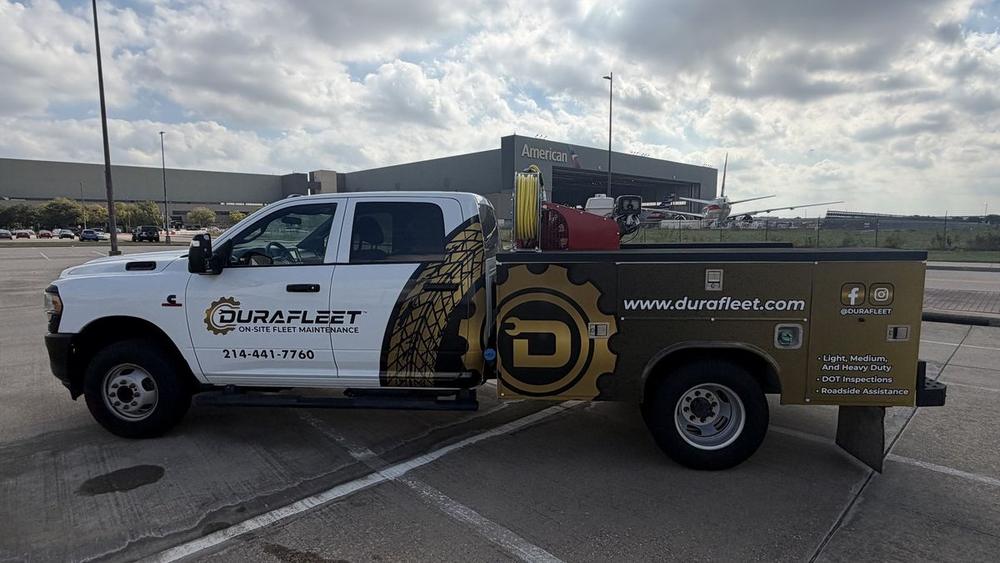
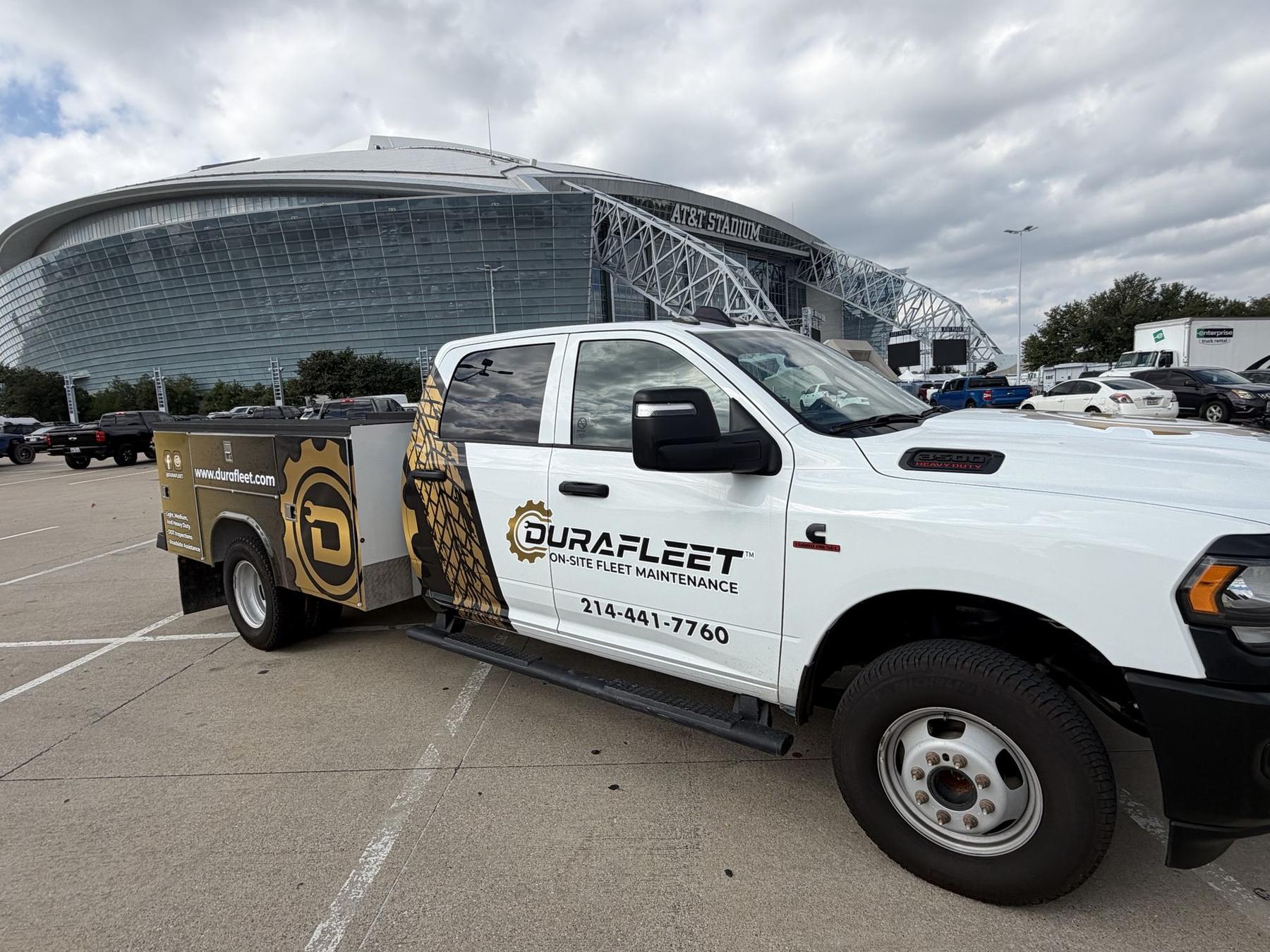
When a commercial vehicle stalls near the airport, on SH 114, or in the middle of a Loop 12 delivery run, the first few minutes set the tone for everything that follows. The call that comes in from the driver either gives the team what it needs or starts a chain of callbacks, guesses, and delays.
That first call is the heart of a strong plan for commercial truck roadside assistance in Irving. DuraFleet Irving works with fleets moving between warehouses, customer sites, and job locations across the DFW network, and the fleets that recover best tend to treat the first report, and everything after it, as a repeatable routine.
Why the First Call Shapes the Whole Response
A driver who says "the truck broke down" has started the process, but only barely. The fleet manager or service provider still needs to know where the vehicle is, which unit it is, what happened, and whether anyone is in danger. Each missing detail is another phone call, and each phone call is time.
A provider needs to know whether it is looking at a no-start, an electrical fault, a leak, overheating, or something else. Those details help determine who responds, what they bring, and whether a roadside repair is even realistic.
What a Complete First Report Includes
Give every driver the same short list to work through:
- Unit: vehicle number or other ID
- Location: road, direction of travel, nearest exit or cross street
- Symptoms: what the driver saw, heard, or smelled
- Warnings: lights or messages on the dash
- Load: loaded or empty, and anything time-sensitive
- Safety: traffic exposure, hazards, or anything that needs immediate attention
None of this asks drivers to diagnose the problem. It just gives qualified people enough information to choose a sensible response.
Commercial Truck Roadside Assistance in Irving Begins With Safety
Before anyone talks about repairs, the driver and others nearby need to be safe. Drivers should know your procedure for getting to a suitable stopping spot when possible, reporting the situation, and requesting help. They should not be expected to inspect or fix anything in hazardous conditions.
If the vehicle is in a dangerous position, emergency response takes priority over maintenance plans. Fleet managers also need a way to decide whether the vehicle can stay where it is while help is on the way. The fastest response is not the one that starts wrenching first. It is the one that makes the right safety decisions and then moves steadily toward a fix.
Decide Who Handles What Before It Happens
A roadside event touches several people. The driver reports it. Dispatch reshuffles the route. The fleet manager coordinates the maintenance side. The service provider assesses the vehicle and recommends the next step.
Settle these questions in advance:
- Who contacts the provider?
- Who can approve repairs, and up to what amount?
- Who stays in touch with the driver?
- Who decides on a tow or replacement vehicle?
- Who confirms the vehicle is ready to return to service?
Clear answers mean fewer decisions made under pressure and less load on the fleet manager.
On-Site Repair Is an Option, Not a Promise
Some breakdowns can be diagnosed and repaired right where the vehicle stopped. A qualified mobile technician may be able to address certain mechanical or electrical issues, run computer diagnostics, or complete eligible repairs without a trip to the shop.
Other failures need specialized equipment, larger repairs, or a controlled environment, and some locations are not safe to work in. The decision should rest on the technician's assessment, the repair requirements, and safety. The goal is the safest, most effective path back to service, not a roadside fix at any cost.
Keep the Updates Coming at the Right Moments
Once help is dispatched, the fleet manager still needs to know: Has the request been accepted? Is the technician en route? What did the assessment find? Can it be fixed on-site, or are parts, approvals, or a tow needed?
Useful updates at decision points help dispatch adjust and help you set realistic expectations with customers, without constant check-in calls.
Learn From the Event
After a significant breakdown, write down the reported problem, diagnosis, repair, downtime, and any follow-up recommendations. Patterns emerge over time: repeat events on the same unit, similar failures across the fleet, or inspection steps worth adjusting. Not every breakdown is preventable, but many repeat ones can be reduced.
How DuraFleet Irving Supports Your Fleet
Our purpose is to Make Control Easier. DuraFleet Irving provides roadside assistance for commercial fleets across Irving, Grand Prairie, Arlington, and Euless, along with preventive maintenance, inspections, diagnostics, and repairs. Roadside Mobile Assistance adds another layer of support when something unexpected interrupts the day. We assess the problem, explain the next step, and handle appropriate on-site service when feasible. If a repair needs other facilities or equipment, we help you understand what comes next.
We cannot promise that breakdowns will not happen. We can help your team respond with more preparation and less confusion.
Anywhere Fleet Maintenance. Handled.
Plan Your Response With DuraFleet Irving
If a truck stopped right now, would the first call give your team what it needs? Tell us about your fleet, and we will discuss your roadside and maintenance requirements. Request service from DuraFleet Irving.