Fleets based around Irving and the DFW Airport area live on tight timing. Vans and trucks shuttle between warehouses, customer sites, and job locations along SH 183, SH 114, and I-635, and a single vehicle out of rotation can bend the whole day's schedule. So when a fleet manager compares mobile fleet maintenance in Irving with a traditional shop visit, the most important number may not be the price at all. It may be the clock.
Our Irving team sees one puzzle often: if the repair only takes two hours, why does the truck seem to be gone all day? Five questions answer that, and together they show the full cost of a maintenance visit.
Question 1: Is the Quoted Price the Whole Story?
The direct cost of the work, including parts, labor, diagnostics, and fees, deserves an honest comparison. Mobile service may use a different pricing structure, and a shop may be more economical for big jobs that need multiple technicians or specialized equipment. Line those up side by side. Just remember that a shop estimate measures technician time and parts, not what the visit costs your schedule.
Question 2: Who Drives the Vehicle In and Out, and What Is That Worth?
Someone has to take the vehicle to the shop, often through busy Mid-Cities traffic, and someone has to go back, retrieve it, and return it to the yard. That is paid time, plus fuel and mileage.
Putting a price on the drive: a hypothetical example
To show how transportation time turns into dollars, here is an example using invented numbers.
Say an Irving fleet runs 25 vehicles, and each one makes six maintenance trips a year. Dropping off and retrieving a vehicle takes 1.5 employee-hours per trip, at a fully burdened labor cost of $40 per hour.
25 vehicles × 6 visits × 1.5 hours × $40 = $9,000 per year
That is $9,000 of staff time spent moving vehicles, and it does not include fuel, mileage, or schedule disruption. Your numbers will differ, but most fleets have some version of this cost hiding in plain sight. When eligible service happens on-site, a large share of it can go away.
Question 3: Why Does a Two-Hour Repair Cost a Full Day Off the Road?
Your operation feels the total stretch between pulling a vehicle from service and getting it back, and that can be very far from the labor hours on the estimate. The difference does not mean anyone is doing a bad job. It is built into how shop visits work. Here is what typically sits on either side of the actual repair:
- The drive in. The vehicle leaves its route to reach the shop.
- The wait for a bay. Appointment windows and open bays do not always line up with your schedule.
- The approval loop. Findings get reported, someone has to sign off, and work resumes.
- The pickup. The vehicle still has to make it back to the yard.
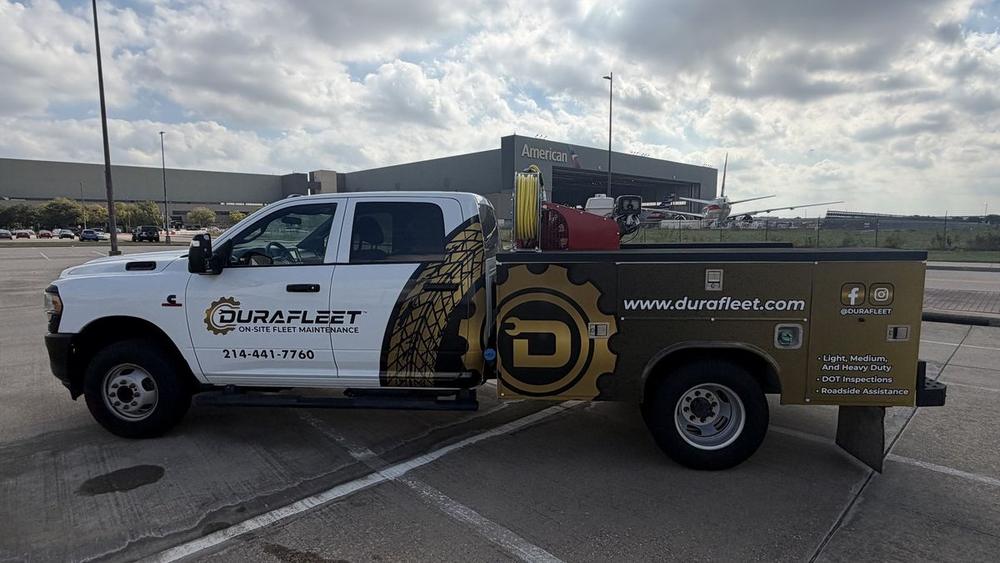
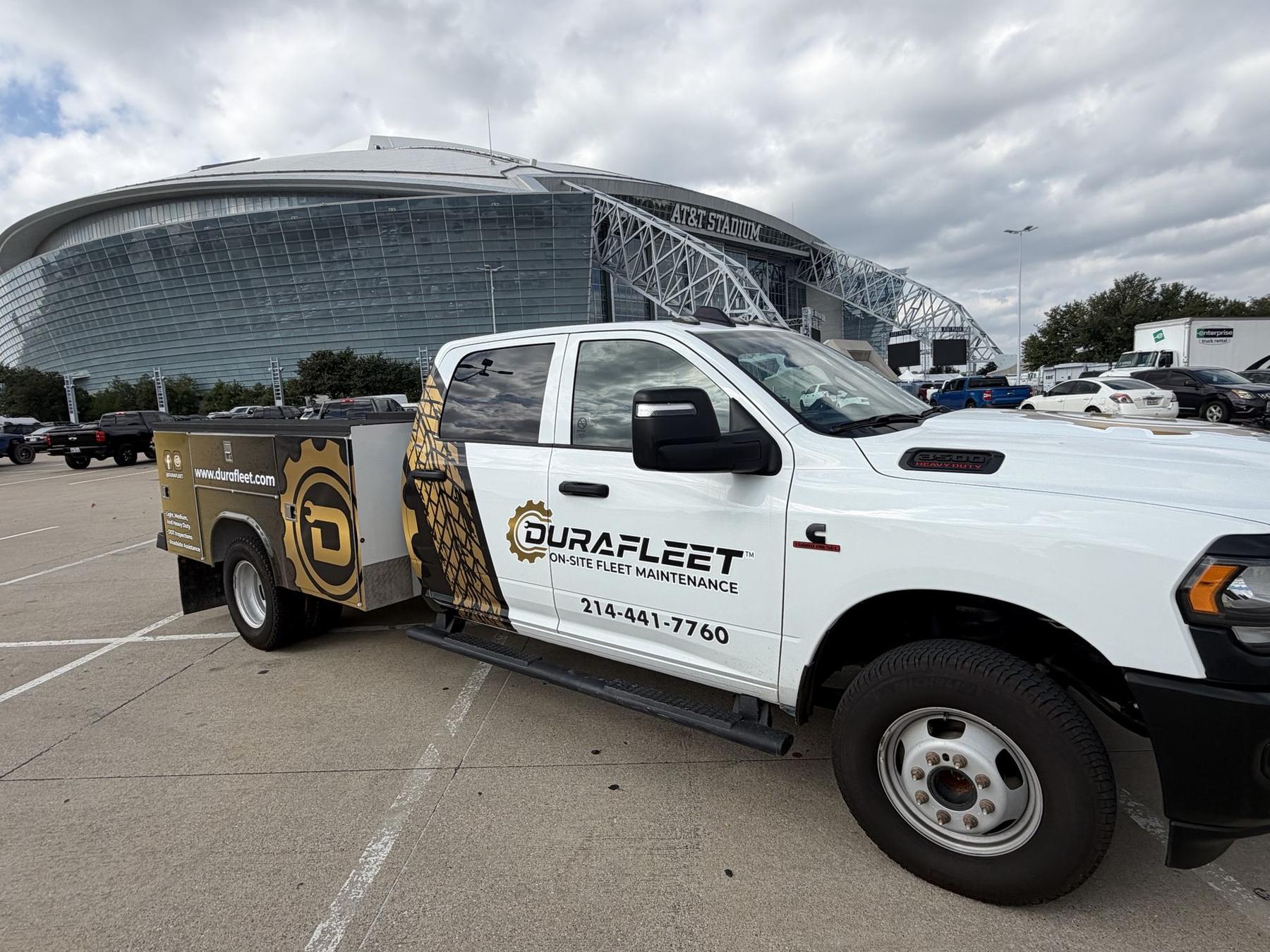
Mobile service can cut into several of these by working where the vehicle is already parked, whether that is a yard in Grand Prairie, a dispatch facility in Euless, or a job site in Arlington. It can also make it easier to schedule maintenance when a vehicle is idle anyway. It does not eliminate downtime. The vehicle still needs to be made available, and some repairs still require a shop.
Question 4: Who on Your Team Ends Up Managing the Visit?
Every maintenance event also pulls on people who are not holding a wrench. Someone books the appointment, lines up a driver, communicates with the provider, approves the work, tracks status, and confirms the vehicle is ready. That load lands on fleet managers, dispatchers, and office staff.
A provider that keeps communication clear and predictable can lighten that load. Location alone does not guarantee it, though. A disorganized mobile provider creates the same headaches as a disorganized shop. What you want is a dependable process with clear accountability.
Question 5: Does the Work Need a Shop's Equipment?
Capability matters just as much as cost. Many preventive maintenance tasks, inspections, diagnostics, and eligible repairs are a good fit for mobile service. Other work needs a controlled environment or facility equipment, and trying to handle it on-site can add cost, slow the job, or hurt quality. The right setting depends on the vehicle, the problem, safety, and the provider's qualifications.
Mobile Fleet Maintenance in Irving and Where the Shop Still Wins
Mobile and shop service are not rivals. They are tools. To compare them for a given job, add up your five answers:
Total operational maintenance cost = direct service cost + transportation cost + coordination cost + incremental operational disruption
Use your own fleet's figures, and be careful not to count the same expense twice. Wages already counted as transportation labor should not reappear as lost productivity unless there is a separate, measurable financial effect.
The result will not always favor mobile service. It will give you a clearer basis for the decision.
How DuraFleet Irving Can Help
Our purpose is to Make Control Easier. DuraFleet Irving brings preventative maintenance, diesel truck maintenance and repair, inspections, and diagnostics to fleet yards, dispatch facilities, and job sites across Irving, Bedford, Grapevine, and nearby communities. When a job belongs in a shop, we will say so and help you plan for it.
The best maintenance decision is the one that keeps your vehicles dependable at the lowest practical total cost, not just the lowest invoice.
Anywhere Fleet Maintenance. Handled.
Talk to Our Irving Team
How many hours are your vehicles really losing to maintenance trips? Tell us about your fleet, and we will help identify which services can be handled where your vehicles already work. Request service from DuraFleet Irving.