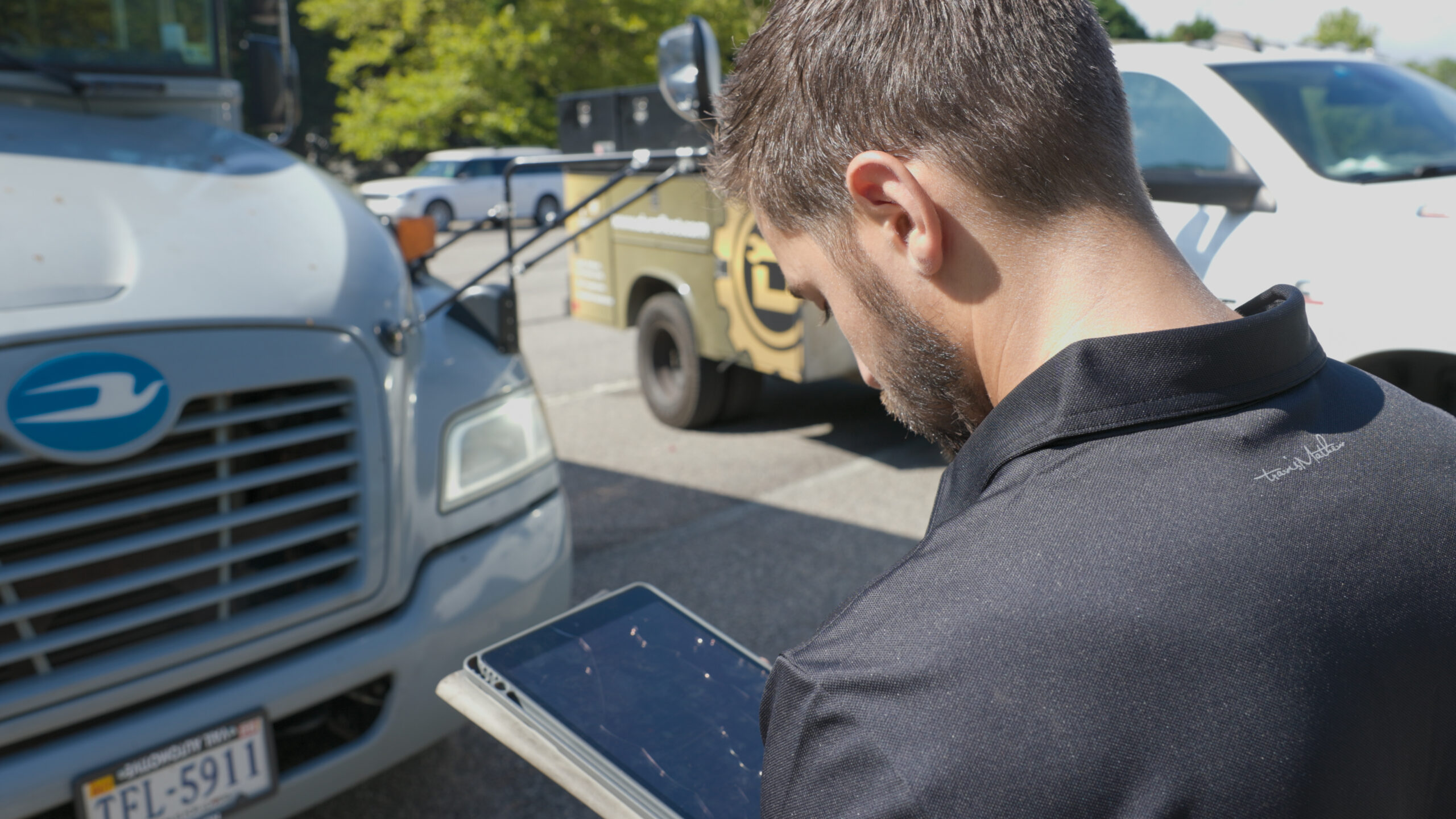
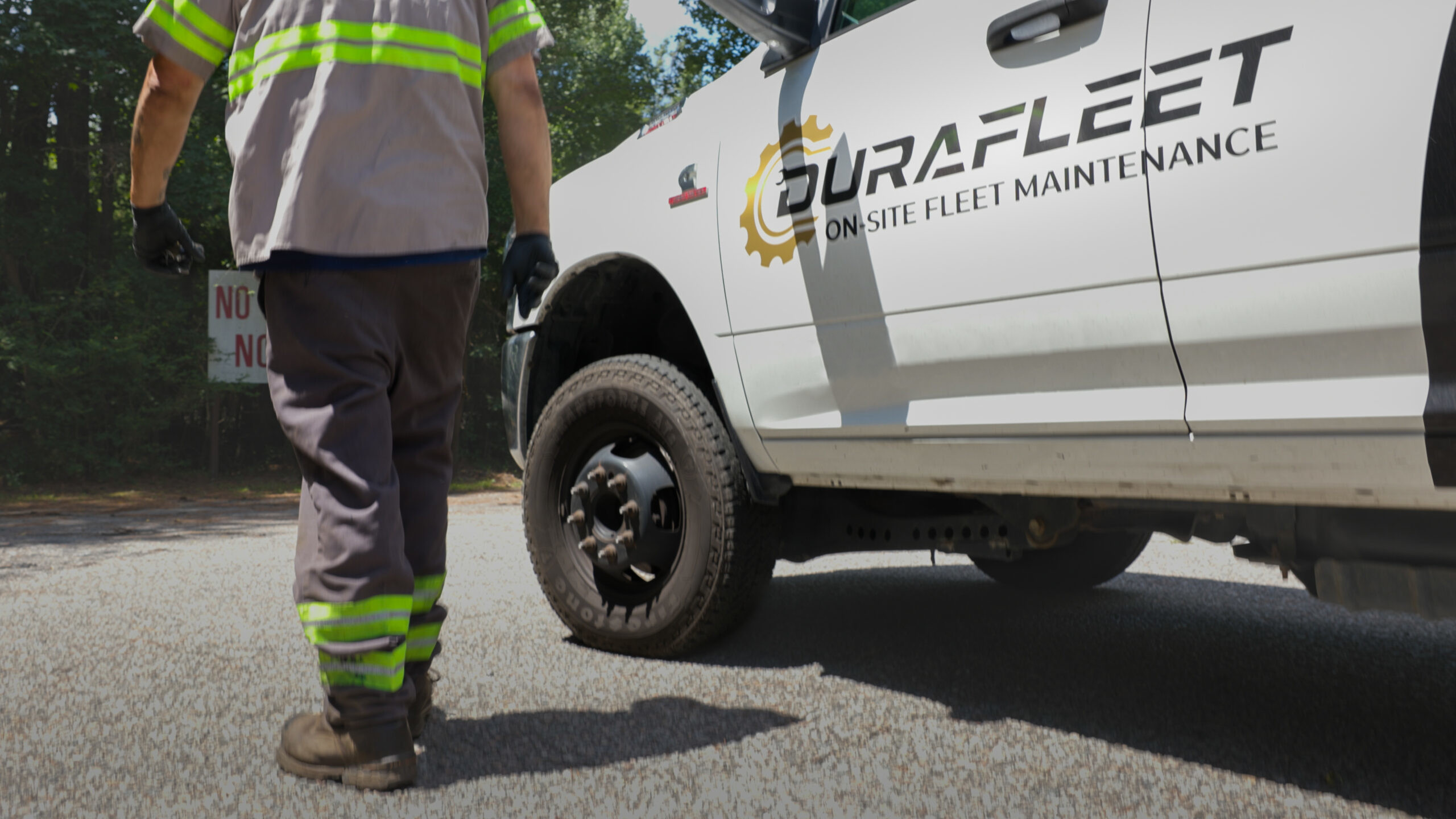
Before booking the next shop appointment, it is worth asking a few questions that the repair quote cannot answer. For fleets weighing mobile fleet maintenance in West Phoenix against traditional shop service, the quoted price is only one line in a longer calculation. The rest includes the people, hours and disruption that surround every service visit.
DuraFleet Phoenix West Valley serves qualifying fleet locations within a defined set of Maricopa County ZIP codes, bringing maintenance, inspections and repairs to facilities, job sites and vehicle locations. The questions below are the ones we suggest every fleet manager work through, whether the vehicles are delivery trucks, buses, trailers or heavy equipment.
Question 1: What Does the Work Itself Cost?
Begin with the direct comparison: parts, labor and any service fees. Mobile pricing may be structured differently than shop pricing, and a shop may be the better value for extensive repairs or work requiring multiple technicians. Look at those differences openly. It also helps to ask what a quote includes, since one that leaves out follow-up visits or time waiting on approvals can look lower than it really is. Then keep going, because the lowest quote is not always the lowest total.
Question 2: Who Drives the Vehicle There and Back?
Shop service requires a trip in and a trip out. That time usually comes from a driver or another employee, plus fuel and mileage. Across the West Valley, where vehicles may be spread among yards and job sites, those trips can take a meaningful share of a workday.
A hypothetical West Phoenix example
These numbers are invented purely to illustrate the math. Take a fleet of 22 trucks and buses, each needing 6 service visits per year. If each round trip to the shop uses 3 employee hours at a fully burdened $30 per hour:
- 22 vehicles × 6 visits = 132 visits
- 132 visits × 3 hours = 396 employee hours
- 396 hours × $30 = $11,880 per year
That total is labor only. Fuel and any extra transportation would add to it. Replace these figures with your own to see what transportation costs your operation. When eligible work is done where the vehicles already are, much of that expense can be reduced.
Question 3: How Long Is the Vehicle Really Out of Service?
A job with two hours of technician time can keep a vehicle unavailable much longer once travel, bay scheduling, approvals and pickup are added. On-site service can shrink that window and make it easier to schedule work around slower periods. It does not eliminate downtime. The vehicle still has to be released for service, and some work needs more time or a full facility. Measure total unavailability, not labor hours. For buses or heavy equipment tied to tight daily schedules, even a few extra hours out of service can mean reshuffling routes or crews.
Question 4: How Much Management Time Does Each Visit Consume?
Appointments, driver coordination, approvals, status checks and confirming the work is done all draw on managers, dispatchers and office staff. A provider with dependable communication and clear accountability can reduce that burden. A disorganized one, mobile or shop-based, makes it worse. Location matters less than how well the process is run. Ask how findings are reported, how approvals are handled and how you will know the vehicle is ready. Clear answers up front usually mean fewer calls later.
Question 5: Can This Job Be Done Well On-Site?
Many tasks fit mobile service well: routine fleet maintenance, DOT inspections, trailer support and many eligible diesel truck repairs. Others need specialized equipment, a controlled environment or a facility. Choosing the wrong setting can raise costs, delay completion or compromise the repair. Traditional shops remain the right answer for that work, and the decision should rest on the vehicle, the condition, safety and the provider's qualifications.
Bringing Mobile Fleet Maintenance in West Phoenix Into One Equation
Once you have worked through the questions, add them up:
Total maintenance cost = direct service cost + transportation cost + coordination cost + added operational disruption
Use your actual circumstances for each figure, and avoid double counting. Wages already counted in transportation should not be counted again as lost productivity unless there is a separate, measurable financial effect, such as a missed delivery or a crew left waiting.
This framework does not guarantee mobile maintenance will always win. It does help you see which jobs belong at your location and which belong in a shop.
Control Over the Whole Process
DuraFleet's purpose is to Make Control Easier. Within our designated West Valley territory, that means understanding the problem, doing the work properly and explaining what comes next, so fewer maintenance decisions are made in the dark. The goal is not to pick one service model for every job. It is to use the right approach for each one, at the lowest practical total cost to your operation. Service availability depends on the exact vehicle location, scheduling and maintenance requirements.
Anywhere Fleet Maintenance. Handled.
Check Availability for Your Location
Comparing maintenance prices, or total maintenance costs? Tell us where your vehicles are located and what they need, and we will help confirm service availability and the next step. Request service from DuraFleet Phoenix West Valley.