North of Loop 101, diesel trucks work a different kind of day. Industrial space around Deer Valley Airport keeps filling with suppliers, including semiconductor-related firms, while crews and deliveries head for sites near I-17 and Loop 303. ADOT work on Loop 303 between I-17 and 51st Avenue can add restrictions and detours to those routes. Short hops, slow traffic, and long idles are hard on a modern diesel.
Those conditions can show up as a derate, a regen that never seems to finish, a hard start, or a temperature gauge that creeps upward. Any of them can stall a load.
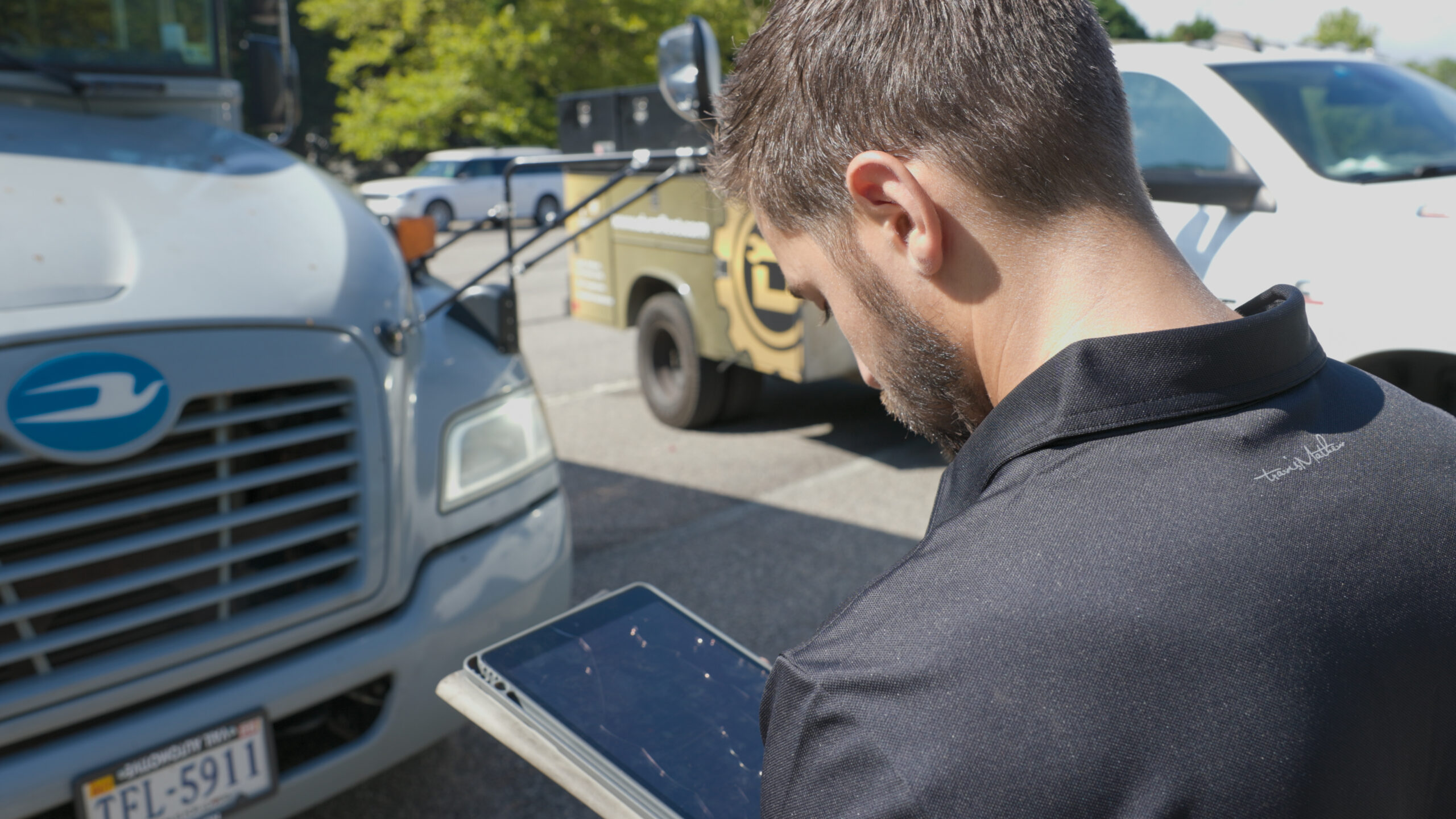
DuraFleet Phoenix West Valley brings diesel assessment, maintenance, and repair to the truck when the work is suited to on-site completion. We diagnose first and recommend second.
Diagnosis Comes Before Recommendations
A fault code tells a technician where to begin looking. It does not say which part failed or why. Our technicians pair the code with what the driver saw, when it happened, and what the truck was doing at the time, then test from there.
Did the power drop on a climb or in traffic? Did the light come on cold or after an hour of idling? Details like these narrow the search and help you avoid paying for parts that were never the problem.
Low Speeds, Long Idles, and Aftertreatment
Emissions systems generally work best with enough exhaust heat, and a truck that spends its day crawling or idling may not produce much of it. Soot can build, regens can come more often, and warning messages can follow. The cause may also sit upstream in the fuel, air, or EGR system, which is why replacing a filter is not an automatic answer.
For trucks on slow, stop-heavy routes, engine hours and idle time often tell more than the odometer. We use both when planning service.
On-Site Diesel Work
Depending on the truck and the fault, our diesel service can include:
- Oil, fuel and air filters, coolant, and other specified service items
- No-starts, hard starts, weak cranking, batteries, and charging faults
- Rising temperatures, coolant loss, fan operation, and hose or belt failures
- Low power, smoke, boost concerns, and fuel delivery complaints
- DPF, DEF, EGR, and regen warnings, along with derate conditions
- Brake, steering, suspension, and driveline complaints that affect the truck's work
You get the finding and the reason behind each recommendation before work goes further.
Heat Finds Weak Components
Desert summers tend to expose whatever was already marginal. A tired battery, a seeping hose, or a restricted radiator may pass unnoticed in January and quit in July. Radiators and charge-air coolers can also collect dust and debris that limit airflow, especially on trucks that run job-site roads.
Scheduled service gives our technicians a chance to look at those items while the truck is still working, leaving you time to plan the repair.
A Service History That Stays With the Truck
Written notes cover the work done, the findings, and anything that still needs follow-up. Patterns are easier to spot when the history is in one place, such as a second cooling complaint on the same unit in a single season.
If the truck later goes to a different provider, those notes can travel with it.
When a Truck Needs an Equipped Shop
Mobile service has real limits. Internal engine or transmission work, extensive teardown, and repairs that depend on fixed equipment or manufacturer-only procedures may need an equipped shop. When that applies, we explain why, and you keep the diagnostic findings for the next step.
For a truck disabled away from its yard, see Roadside Assistance.
Diesel Service Inside Our Approved ZIP Codes
We serve qualifying yards, job sites, and commercial properties within our approved West Phoenix ZIP codes, which include parts of north Phoenix and Anthem as well as West Valley communities. The site needs safe access and room for the truck and our service vehicle. Call to confirm your address.