Buckeye keeps moving dirt. Teravalis is taking shape along Sun Valley Parkway, new logistics buildings are rising along I-10 and SR 85, and sand and gravel work has a long history along the Agua Fria River. Machines on projects like these can work a long way from an equipment shop, on unpaved ground, in fine dust.
When one of those machines goes down, the delay spreads quickly. A grader waiting on a repair can hold up the crew behind it, and hauling it out takes a lowboy, a driver, and a day nobody planned to lose.
DuraFleet Phoenix West Valley helps businesses assess maintenance and repair needs for equipment at facilities and job sites in our territory. We clarify the issue, the feasible scope, and the next step.
Sort Out the Problem Where the Machine Sits
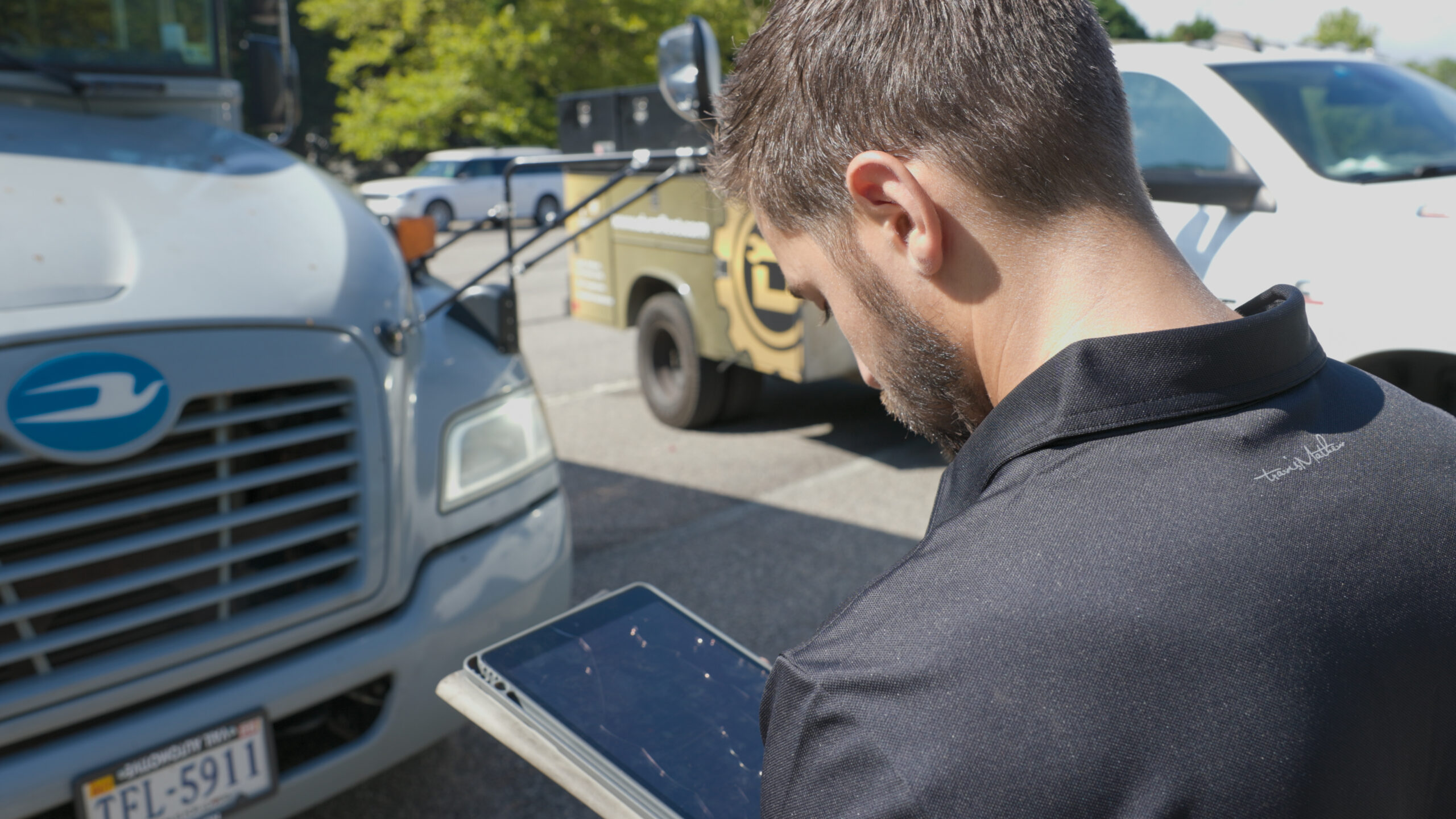
Before anyone arranges a haul, it helps to know what actually failed. Our technician can see the machine in the conditions where it was working, talk with the operator, and check the concern firsthand. Sometimes that leads to a repair on site. Sometimes it confirms that transport is the right call, and you make that decision with real information.
When the problem began and how the machine behaves under load both help narrow the cause.
Dust Is a Maintenance Issue Here
Maricopa County's Rule 310 applies dust controls to earthmoving, construction, and other dust-generating work. That can make a working water truck important to a site's plan, and a down unit can affect far more than its own task.
Dust also goes straight after the machines themselves. Air filters load up, radiators and oil coolers pack with fines, and grease points need attention. In the heat of a West Valley summer, restricted airflow leaves little margin. Service intervals should follow the manufacturer's guidance for dusty conditions, and we plan around the hours and the work each machine is doing.
Equipment Maintenance and Repair Support
Depending on the machine, our service can include:
- Hour-based service, from oil and filters to grease points
- Hard starting, batteries, charging, and electrical concerns
- Radiator and cooler restrictions, coolant loss, and high-temperature alarms
- Hydraulic leaks, hoses, slow cycle times, and heat complaints
- Sensor, display, and wiring faults that affect operation
- Loose guards, brackets, and other visible wear items
Feasible scope depends on the machine, the fault, and site conditions, and we explain it before work goes further.
Plan Service Between Phases
Earthwork moves in stages, and the gap between stages is a natural time for service. Before a machine goes to the next job or phase, we can complete due maintenance and look at anything the operator has been nursing along.
If several machines share a site, one visit may cover more than one, with each getting attention suited to its own hours and history.
Records That Move With the Machine
Equipment changes operators and sites often, and details get lost along the way. Our notes capture the work completed and any open concerns, so your team can follow a machine's history from one project to the next.
If it later goes to a dealer or another provider, those notes can go along.
Site Safety and Honest Limits
Our technicians need stable ground and safe access to a machine that is secured for service. Raised attachments, stored hydraulic pressure, and machines that are stuck or sitting on unstable ground all need to be addressed first. Follow your site's safety rules, and let us know about any check-in or access requirements.
Major component work, machining, structural repairs, specialized lifting, and manufacturer-controlled procedures may need a shop, a dealer, or a specialist. Confirm your machine type when you call, and we will tell you early if transport looks likely.
Equipment Support Inside Our Territory
Our approved ZIP codes take in parts of Buckeye and other West Valley communities. Job sites can sit near a boundary, so call with the site address or nearest cross streets before you plan around a visit.